
Art & Entertainment
Chinna Thamizha and the Laughter That Raised a Diaspora
Before the spotlight found him, Chinna Thamizha had already built a stage inside Tamil homes around the world. His skits with his mother became more than viral moments; they became shared memories. For the diaspora, his rise felt personal because they had been watching from the beginning.
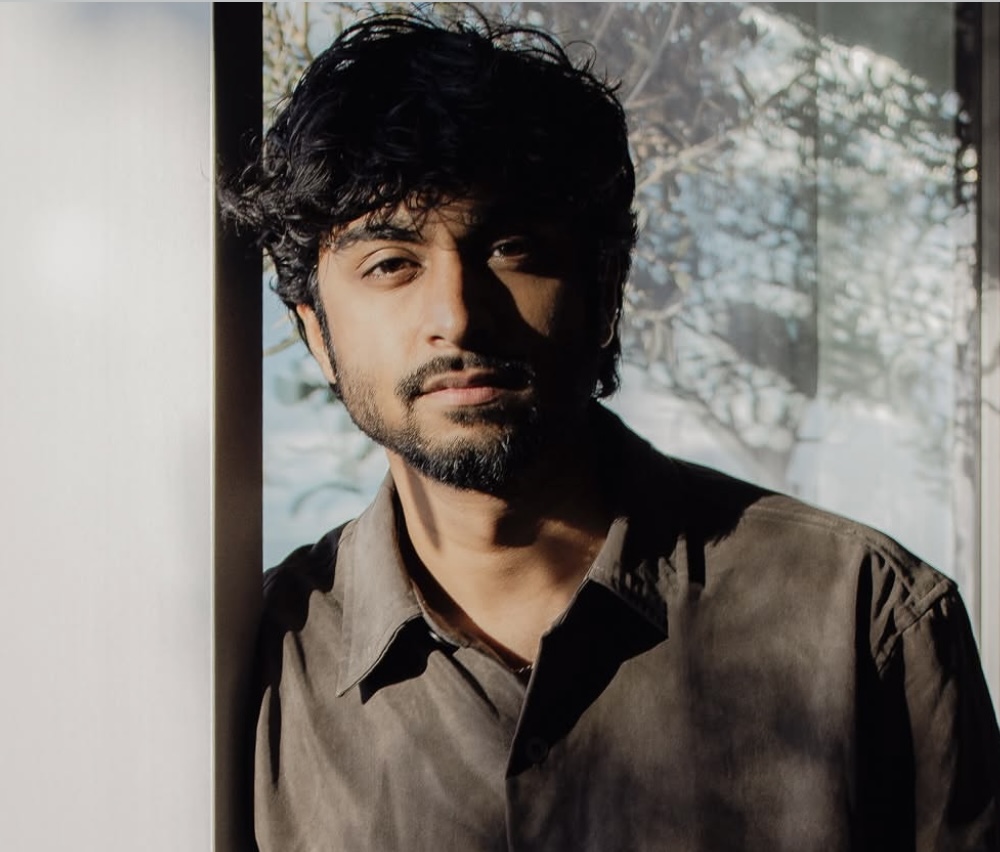
Photograph for ITFMA. All rights reserved.
Before the wider world began to take notice, before Kollywood came calling, before the name Chinna Thamizha moved beyond phones, living rooms and family group chats, there was a diaspora already watching.
They had seen the rise happen slowly, post by post, skit by skit, laugh by laugh.
For Tamil families scattered across Toronto, London, Paris, Zurich, Sydney, Jaffna and beyond, Chinna Thamizha was never just an internet comedian. He was a familiar voice in the house. A face that appeared between dinner conversations, school runs, work breaks and weekend gatherings. His videos were passed from cousin to cousin, from parents to children, from grandparents who did not always understand reels but understood the humour immediately.
In a digital world where attention often arrives suddenly and disappears just as fast, Chinna Thamizha built something far more lasting: trust. His success was not overnight. It was earned through years of consistency, cultural instinct and an ability to turn the small, everyday rhythms of Tamil family life into something universal.
At the heart of that connection were his skits and reels with his mother. Their chemistry felt less like performance and more like a mirror. The sharp looks, the familiar scoldings, the playful arguments, the warmth underneath it all, these were not exaggerated caricatures to Tamil audiences. They were home.
For many in the diaspora, his videos became a kind of shared language. Children laughed at the timing. Parents laughed because they recognized themselves. Grandparents laughed because the humour carried the flavour of a world they had carried with them across oceans. In homes where Tamil identity was being preserved through food, music, language and memory, Chinna Thamizha added something else: joy.
His YouTube videos, for some families, became a replacement for movie night. Not because they were trying to compete with cinema, but because they offered something cinema sometimes could not, the intimate comedy of a life people knew personally. The jokes did not need explanation. The references did not need translation. His content belonged to the community before it belonged to an algorithm.
That is what made his rise so meaningful.
Long before recognition from Kollywood validated his talent publicly, the Tamil diaspora had already claimed him as one of their own. They had watched him grow, improve, experiment and expand. They had seen the early videos, shared the viral moments and celebrated each new step as though it belonged to them too. His success felt collective because, in many ways, it was.
“Before the rest of the world applauded, the diaspora was already laughing with him.”
Chinna Thamizha represented a new kind of Tamil entertainer, one who did not wait for permission from traditional industry gates. He built his stage online, in the palm of the audience's hand, speaking directly to a global Tamil community that was hungry to see itself reflected with humour and affection.
There is a special power in making people laugh in their own cultural language. Not just linguistically, but emotionally. Chinna Thamizha understood the pauses, the expressions, the family dynamics, the affectionate chaos of Tamil households. He knew how to take what seemed ordinary and reveal it as deeply funny, deeply specific and deeply human.
That specificity is what allowed him to travel.
Wherever there was a Tamil community, there was someone who knew his name. In homes across the globe, Chinna Thamizha echoed through speakers and television screens, becoming part of the soundtrack of diaspora life. His comedy brought families together not through nostalgia alone, but through recognition. It reminded people that even when they lived far from their ancestral homes, they were still connected by the same jokes, the same gestures, the same emotional patterns passed down from one generation to the next.
For the diaspora, his journey is a source of pride because it reflects a larger truth: Tamil creativity does not begin and end inside Kollywood. It lives in bedrooms turned into studios, in parents reluctantly becoming scene partners, in creators using phones and instinct to reach millions. It lives wherever Tamil people are building culture with the tools they have.
Chinna Thamizha's rise is not simply the story of an entertainer finding success. It is the story of a community recognizing talent before the industry did. It is the story of laughter becoming cultural memory. It is the story of a young creator who made Tamil families across the world feel seen.
And before the rest of the world applauded, the diaspora was already laughing with him.
Submissions and reader letters are welcome at itfmaconnect@gmail.com.
Related Reading

Thulakshan “TK” Kalaatharan: The Filmmaker Building a Legacy Beyond the Lens
From capturing Tamil weddings around the world to empowering communities in Mullaitivu, the founder of Red Lotus Films is proving that storytelling can create opportunities far beyond the screen.

Why Toronto Tamil DJs Are Among the Most Elite in the World
Growing up in one of the world's most multicultural cities, Toronto Tamil DJs learned to blend every sound around them back into Tamil music, and the dance floor became their classroom.
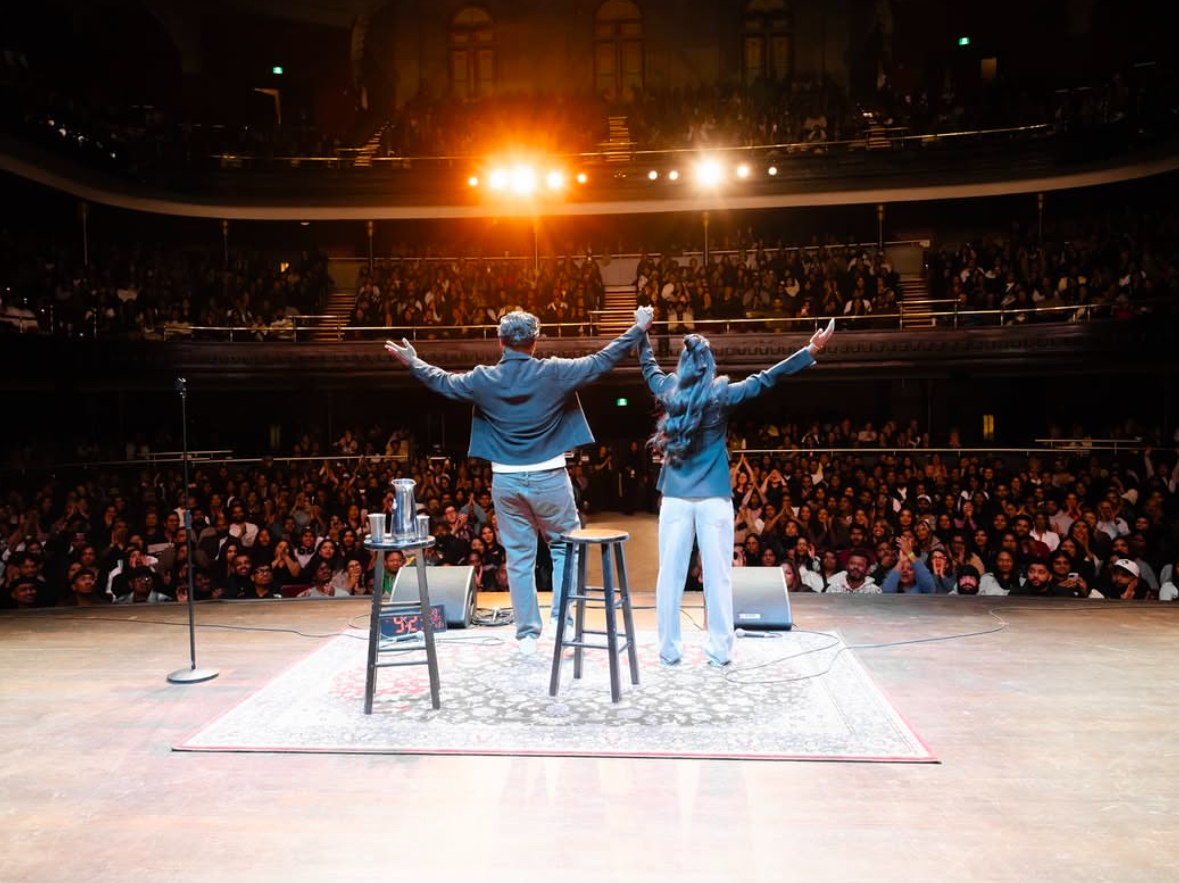
From Massey Hall to Europe: Sunthar V & Me2Chat Take Tamil Comedy Global
Tamil humour, language, and lived experience took centre stage at one of Canada's most iconic venues, and now the tour heads to Europe.