
Art & Entertainment
The Rise of Tamil Creators: How Streamers, Influencers and Digital Storytellers Are Building a Global Tamil Media Economy
From livestreams and short-form video to brand empires and sold-out events, a new generation of Tamil creators is building a global media economy on its own terms.
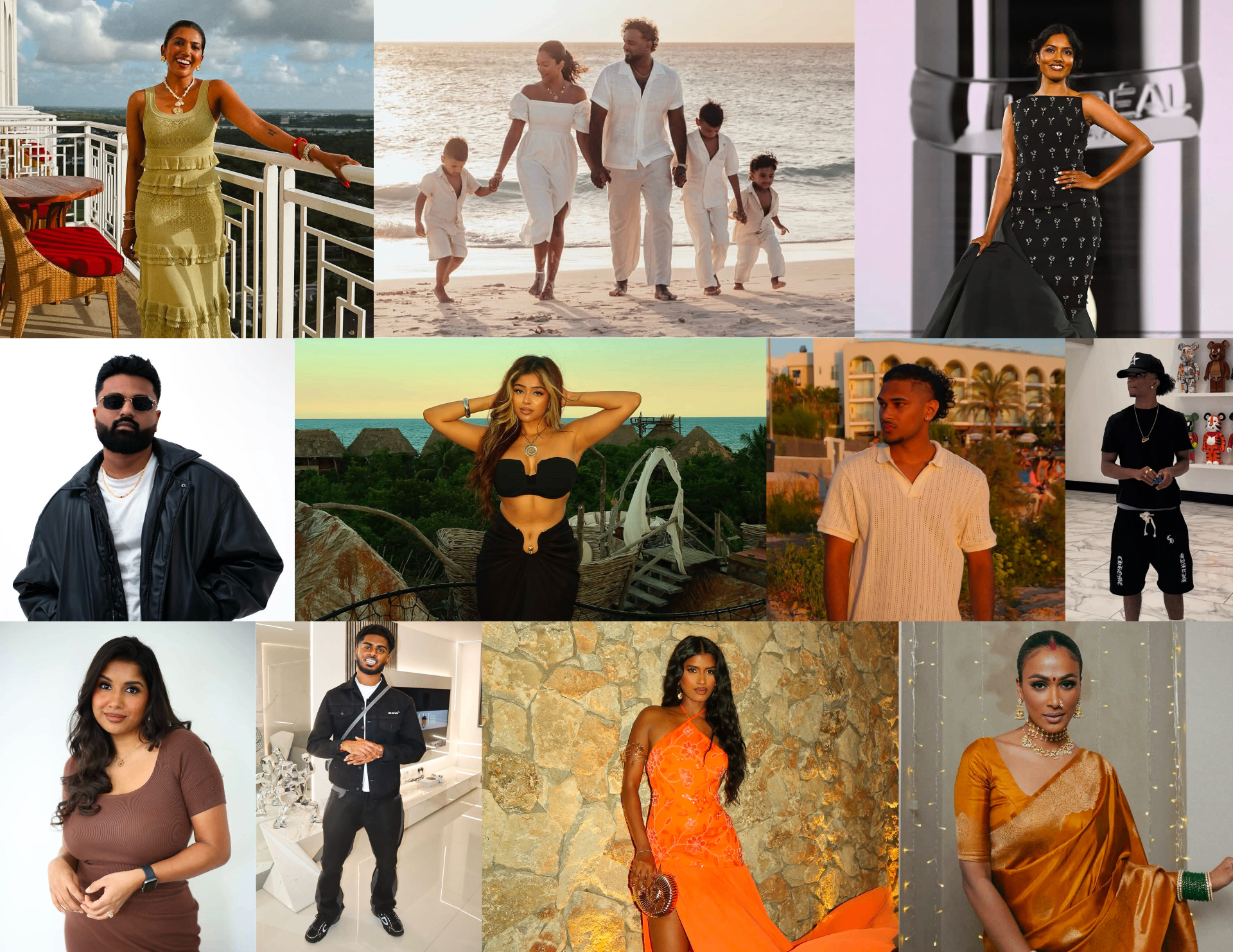
Photograph for ITFMA. All rights reserved.
Tamil entertainment no longer lives only inside cinema, television, radio or traditional media. It now lives on livestreams, Instagram Reels, TikTok videos, YouTube vlogs, podcasts, gaming clips, food reviews, beauty tutorials, comedy sketches, music sessions and creator-led events. Across Toronto, the United States, London, Europe, Chennai, Australia and beyond, Tamil creators are building a new media class, one that speaks directly to the community without waiting for industry permission.
This rise is part of a much larger global shift. The creator economy has become one of the strongest forces in entertainment and advertising. Live streaming, influencer marketing and short-form video have turned individual personalities into full media businesses. YouTube, TikTok, Instagram, Twitch and Kick are no longer just platforms; they are the new stages where culture is performed, monetized and shared. Attention has become an economy, and creators are learning how to turn that attention into brand deals, live events, merchandise, music promotion, paid communities and long-term businesses.
For Tamil creators, that attention carries a deeper value because it is built on recognition. A Tamil creator is not simply posting content. They are speaking through shared references: Tamil slang, immigrant-parent humour, wedding culture, food memories, beauty standards, Chennai comedy, Eelam Tamil pride, diaspora ambition, gaming banter, family expectations and the small everyday moments that Tamil audiences understand instantly.
This is why creators and influencers like Thanuska, Dhivya Sri, Apeenaiyah, Trend Family, Anusha Swamy, Vidya Gopalan, Deya Suresh, Tanya Yoganathan, Shalini Matt and many others have been able to build loyal audiences across the Canadian and global Tamil space. Their content moves between lifestyle, fashion, beauty, family, humour, culture and identity. They show that Tamil creators do not have to choose between being modern and being rooted. They can be both.
In the streaming world, names like Suriya The Flash, MT, itsJanoTV, BSP & Friends, jabakumargaming and midfail.yt represent a new wave of Tamil digital entertainment. Together, they show how streaming has moved beyond just gaming. Tamil streams now blend comedy, reactions, live music, studio culture, gaming, audience interaction, internet drama, cultural slang and real-time community building. The viewer is not just watching from the outside. They are part of the room.
That room becomes even bigger when clips travel. One of the most powerful shifts in the creator economy is the rise of clippers, editors who take long livestreams, podcasts and videos and turn them into short-form viral moments for TikTok, Instagram Reels, YouTube Shorts and X. At the highest levels of global streaming, some elite clippers have reportedly earned five figures monthly, with rare top contributors reaching six figures in a month. That is not the average, but it proves the value of short-form distribution. The livestream creates the moment; the clip turns it into movement.
Tamil creators in London, the UK and Europe have also become important voices in this global rise. Names like London Tamil Bro, London Tamil Guy, London Thozhi, That British Ponnu, Pranesh, Tamil Ponnu in Scotland and Happy Vaazhum represent the way Tamil identity is being reshaped through diaspora life. Their content documents humour, relationships, food, family, travel, immigrant experiences and cultural pride from outside the traditional Tamil homeland.
In Chennai and Tamil Nadu, the creator economy has already reached mainstream power. VJ Siddhu, Madan Gowri, Parithabangal, Gopi and Sudhakar, Nakkalites, Irfan's View, Tamil Tech, A2D Channel, Tech Boss, Foodies Findings and Peppa Foodie have shown how Tamil digital creators can influence comedy, food, technology, cinema, public opinion and consumer behaviour. YouTubers and Instagram creators are no longer side figures. They are becoming celebrities, entrepreneurs, brand partners and cultural tastemakers in their own right.
Australia and New Zealand also play a role in this wider map, with creators like Life of Meena and Kiwi Tamilanz showing how Tamil life abroad can become both personal and cultural storytelling. Their content reflects migration, family, food, travel and identity in a way that connects Tamil audiences across continents.
“The new Tamil media economy is here, and its biggest stars may not come from a studio.”
What connects all of these creators is ownership. Tamil creators are now controlling their own distribution. A song can break through a Reel. A streamer can make a phrase go viral. A beauty creator can influence product choices. A food vlogger can move restaurant traffic. A comedian can sell out a show. A podcaster can document conversations that mainstream outlets ignore. A meme page can shape the community's mood overnight.
For brands, this is powerful because Tamil creators offer something traditional advertising cannot easily buy: cultural intimacy. They know how to speak to the audience without over-explaining the culture. They understand the humour, the family dynamics, the community references and the tone. That makes them valuable to restaurants, fashion brands, beauty companies, music labels, event promoters, film campaigns, education programs, tech brands and lifestyle businesses trying to reach Tamil and South Asian audiences.
The next stage will be more organized. Tamil creator agencies. Diaspora influencer campaigns. Streamer tournaments. Tamil creator houses. Live podcast events. Music listening streams. Short-film launches powered by creators. Branded food tours. Comedy shows. Fashion collaborations. Creator-led festivals. The infrastructure is already forming; what comes next is scale.
But the rise also comes with pressure. Algorithms change. Attention moves quickly. Creators burn out. Drama often travels faster than talent. Many creators work for years before making real money. The creators who last will be the ones who build more than views. They will build trust, community and cultural value.
The rise of Tamil creators is not just a social media trend. It is a shift in power. Tamil stories, humour, music, food, fashion, gaming and identity are no longer waiting to be filtered through mainstream platforms. They are being created, edited, streamed, clipped and shared by Tamil people themselves.
For years, Tamil culture was carried by cinema, songs, stage shows and community halls. Today, it is also carried by livestreams, Reels, podcasts, vlogs and group chats.
The new Tamil media economy is here, and its biggest stars may not come from a studio. They may come from a bedroom, a phone, a camera, a stream, a clip and a community that finally sees itself.
Submissions and reader letters are welcome at itfmaconnect@gmail.com.
Related Reading
Thulakshan “TK” Kalaatharan: The Filmmaker Building a Legacy Beyond the Lens
From capturing Tamil weddings around the world to empowering communities in Mullaitivu, the founder of Red Lotus Films is proving that storytelling can create opportunities far beyond the screen.
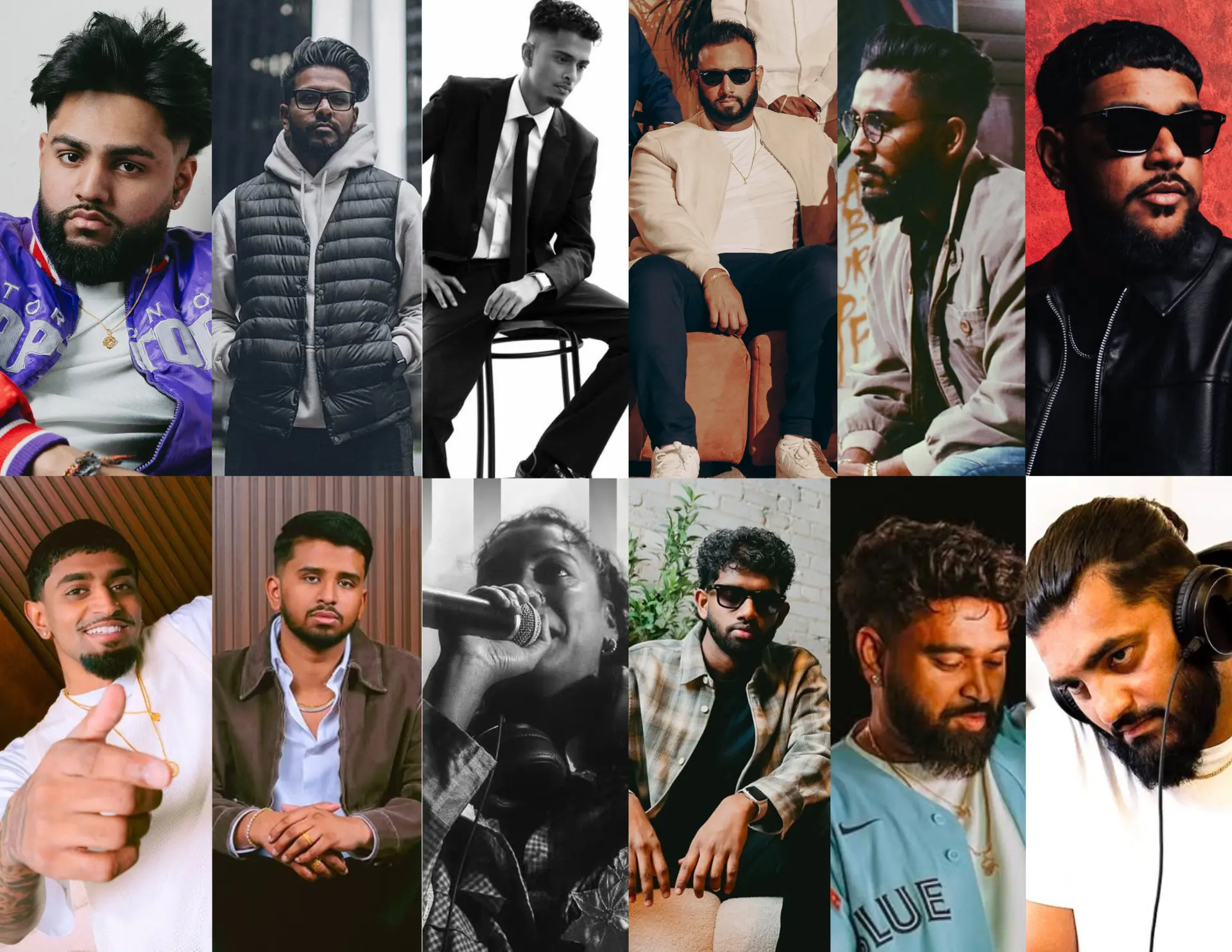
Why Toronto Tamil DJs Are Among the Most Elite in the World
Growing up in one of the world's most multicultural cities, Toronto Tamil DJs learned to blend every sound around them back into Tamil music, and the dance floor became their classroom.
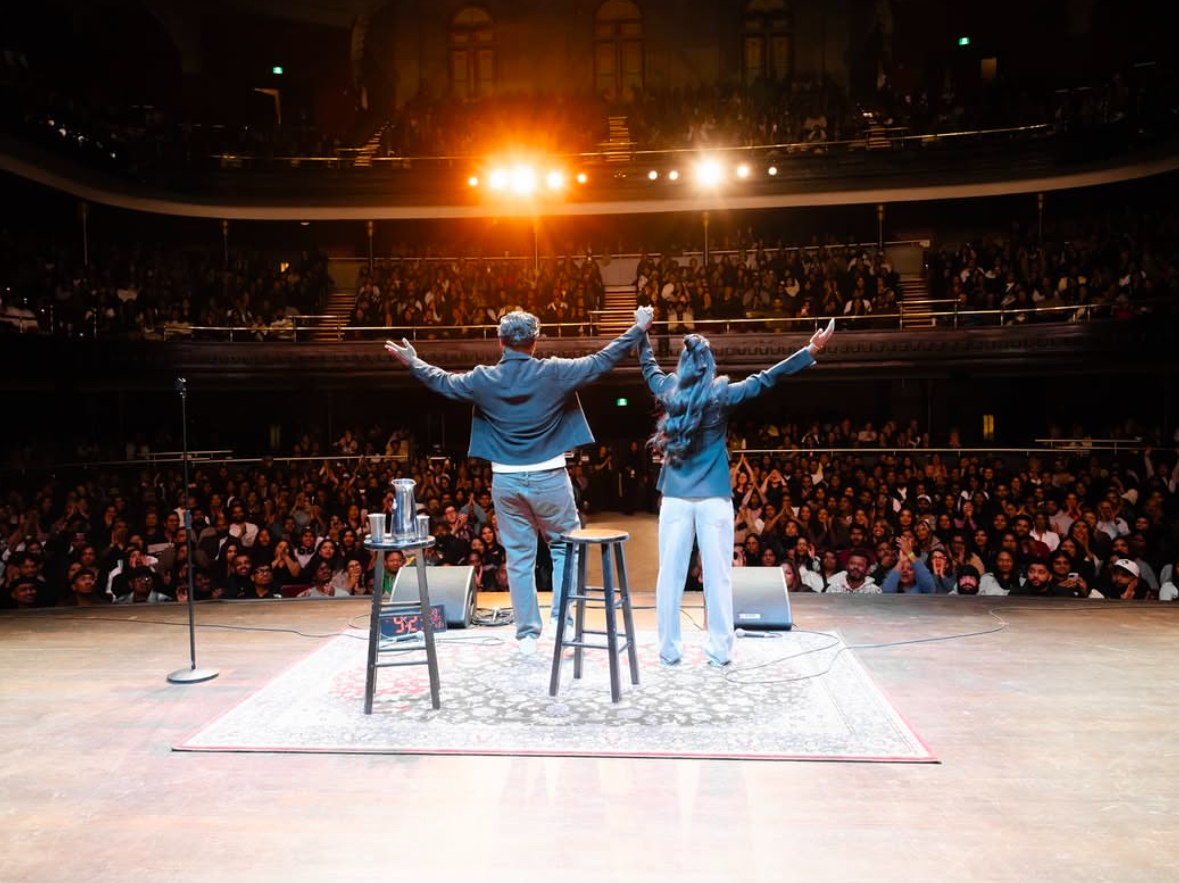
From Massey Hall to Europe: Sunthar V & Me2Chat Take Tamil Comedy Global
Tamil humour, language, and lived experience took centre stage at one of Canada's most iconic venues, and now the tour heads to Europe.