
Music
Ratty Adhiththan and a Tamil Hip-Hop Without a Single Centre
From Jaffna to Malaysia to Paris, the rapper helped prove Tamil music could be built across borders.
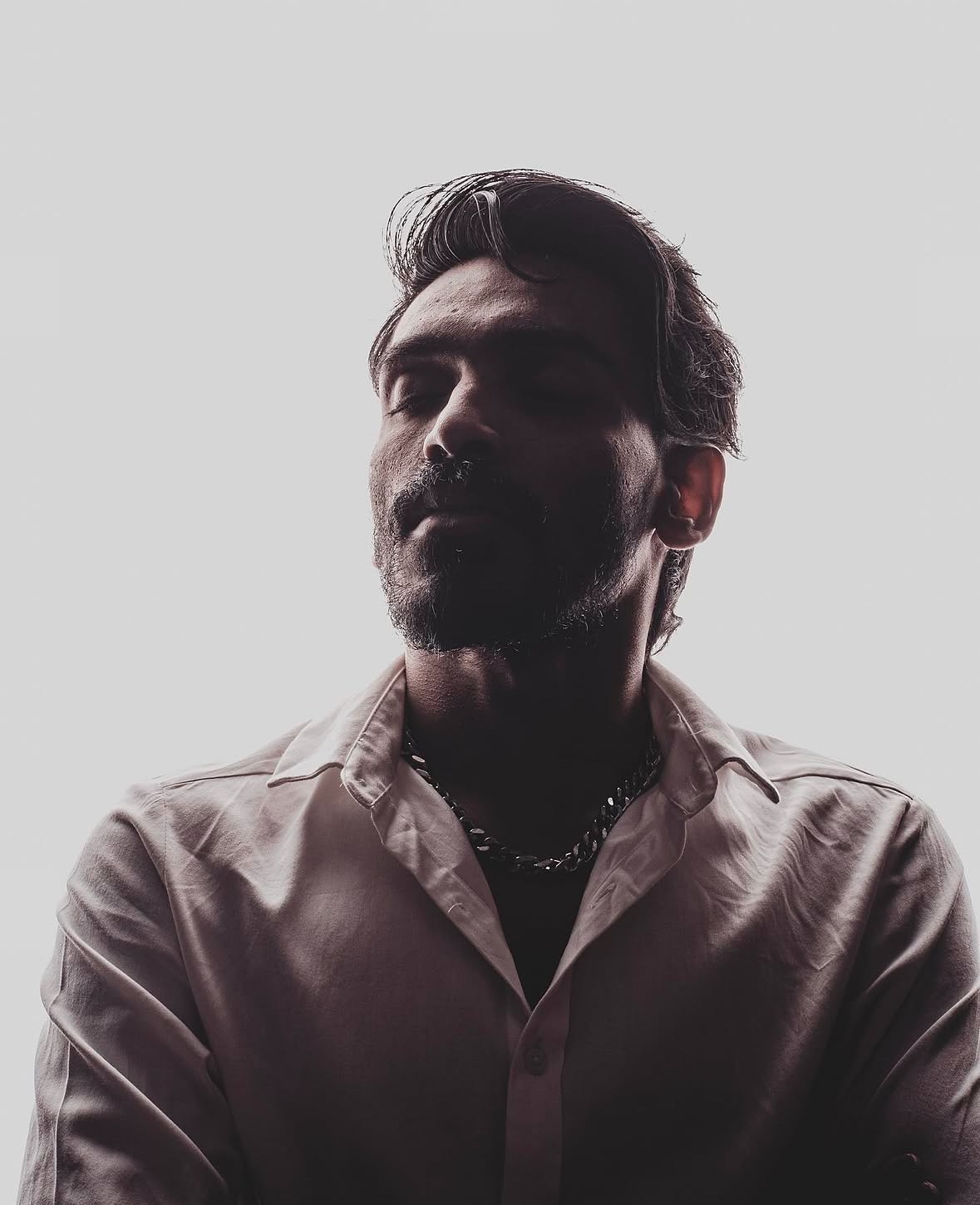
Photograph for ITFMA. All rights reserved.
Ratty Adhiththan’s career is difficult to separate from geography.
Born Kajith Sriskantharasa in Jaffna, his life would later stretch across Malaysia and France, placing him within a distinctly diasporic experience long before that identity became central to the global Tamil music conversation. His story is one shaped by movement, adaptation and the question of how culture survives when home is no longer a single place.
In Malaysia, hip-hop became part of his musical vocabulary. Later, in Europe, Ratty developed within a growing network of Tamil artists creating outside the traditional structures of the Indian film industry. Yet despite the distance from Jaffna, Tamil remained at the centre of his work.
As Ratty Adhiththan, he became known for dense lyricism, rapid delivery and a deliberate use of Tamil vocabulary that often felt more expansive than conventional pop writing. His music treated the language not simply as a vehicle for rap, but as something to experiment with, moving between slang, literary phrasing, humour and culturally specific references.
That approach mattered at a time when independent Tamil hip-hop was still defining its own identity.
Tracks such as “Panda Reprise” helped establish his voice among a younger generation of Tamil listeners, particularly those growing up outside South Asia. For many, Ratty represented a version of Tamil music that felt familiar in language but contemporary in form. It was music shaped by hip-hop culture without losing the texture of Tamil expression.
His collaboration with Sahi Siva on “Naan Kudikka Poren” pushed that reach much further. The record became one of the defining independent Tamil songs of its period, travelling across Europe, South Asia and the wider diaspora.
Its success also reflected a larger shift already underway.
Tamil music was becoming less geographically fixed. A rapper shaped by Jaffna, Malaysia and Paris could collaborate with a British Tamil artist and reach listeners in Toronto, London, Chennai, Sydney and beyond without first passing through cinema or a major-label system.
That model now feels increasingly normal. At the time, it was still being built.
“The centre is no longer one place.”
Ratty continued developing that identity through projects including “Padaiyon” and a growing catalogue that moved between harder rap records, melodic collaborations and culturally rooted production. Over time, his influence began to extend beyond individual releases. Younger Tamil rappers would cite artists like Ratty as proof that independent Tamil hip-hop could command its own audience and build its own language.
Eventually, his work crossed into Tamil cinema as well. Ratty wrote and performed “Ace Anthem” for Vijay Sethupathi’s film Ace, marking another step in the gradual exchange between the independent Tamil scene and the industry it once existed largely outside of.
That crossover feels significant because Ratty’s career was built without relying on cinema to validate it.
His importance, then, is not only about streaming numbers, viral songs or individual collaborations.
Ratty Adhiththan belongs to a generation that helped widen the definition of Tamil music itself. His career showed that a Tamil artist could be shaped by multiple countries, multiple musical cultures and a diasporic upbringing while still remaining deeply rooted in language.
His story reflects something larger happening across Tamil music today.
The centre is no longer one place.
And artists like Ratty helped prove that it never had to be.
Submissions and reader letters are welcome at itfmaconnect@gmail.com.
Related Reading

Smith Asher Steps Forward Under Anirudh’s Albuquerque Records
Singer, producer, guitarist and programmer Smith Asher steps into the spotlight with “Annakiliye,” released on Anirudh Ravichander’s Albuquerque Records.
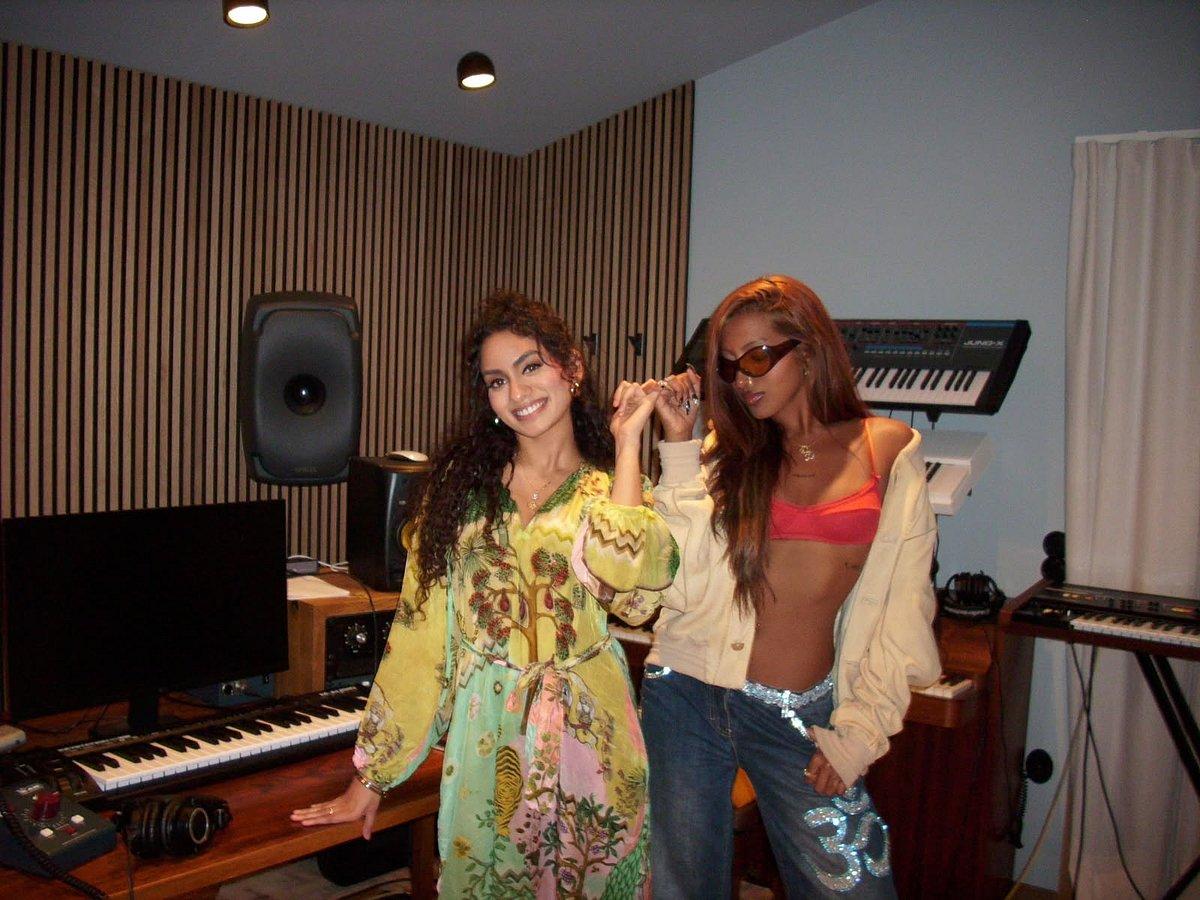
Dhee, Lara Raj and a Borderless Tamil Future
Dhee carried Tamil music outward. Lara Raj of KATSEYE found her way in from the Western mainstream. On “Vari Vari,” their journeys meet.
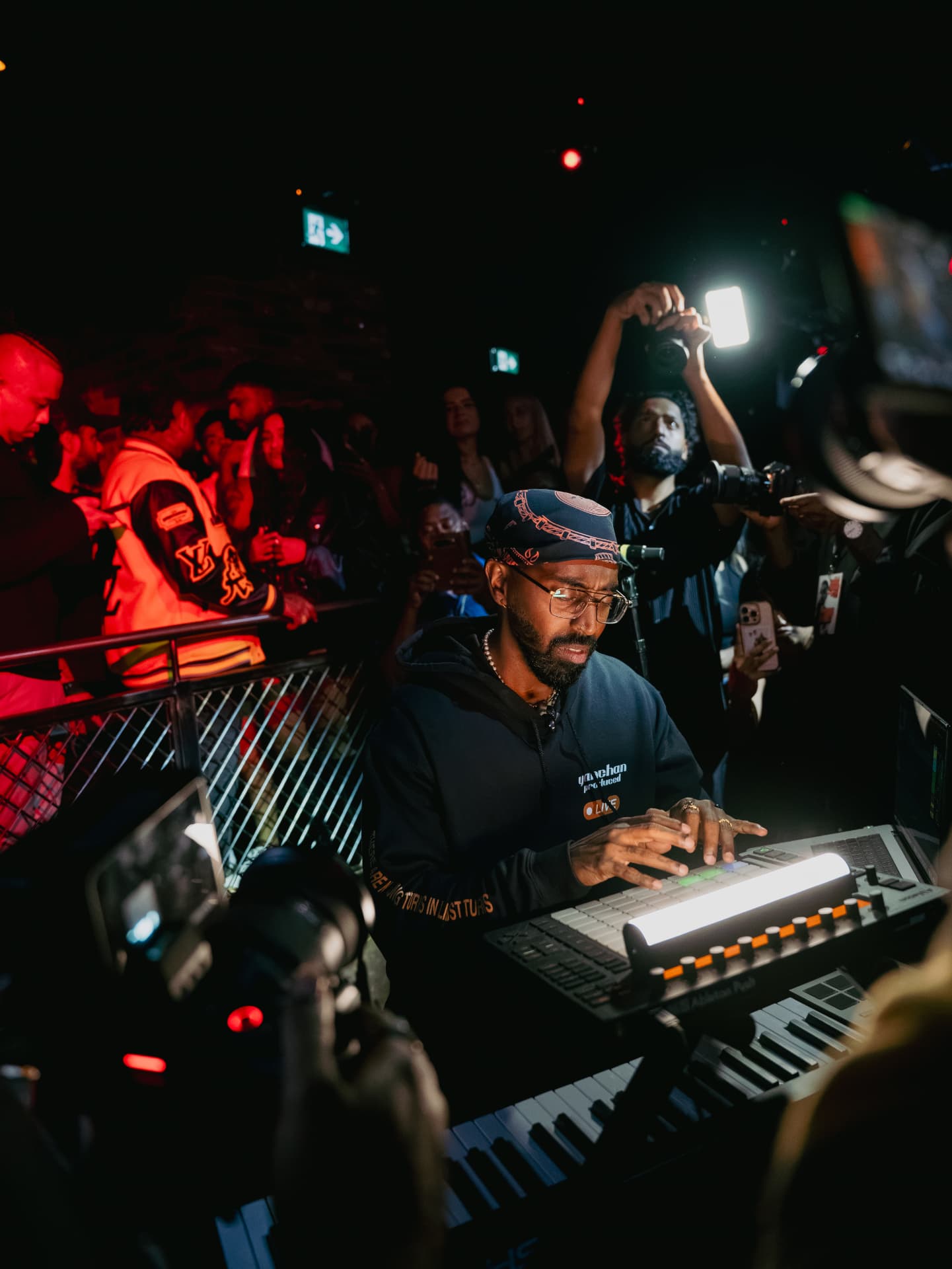
In Toronto, Yanchan Turns a Live Show Into a Portrait of the City
More than 650 people, eight surprise guests and a Boiler Room style room: Yanchan's VETRI Promo show became a portrait of Toronto's layered musical identity.