
Film
Kalainithan Kalaichelvan: The Tamil-Canadian Filmmaker Turning Silence Into Cinema
From short films to a TIFF breakthrough with Karupy, Kalaichelvan is reshaping what Tamil diaspora cinema can look and feel like.
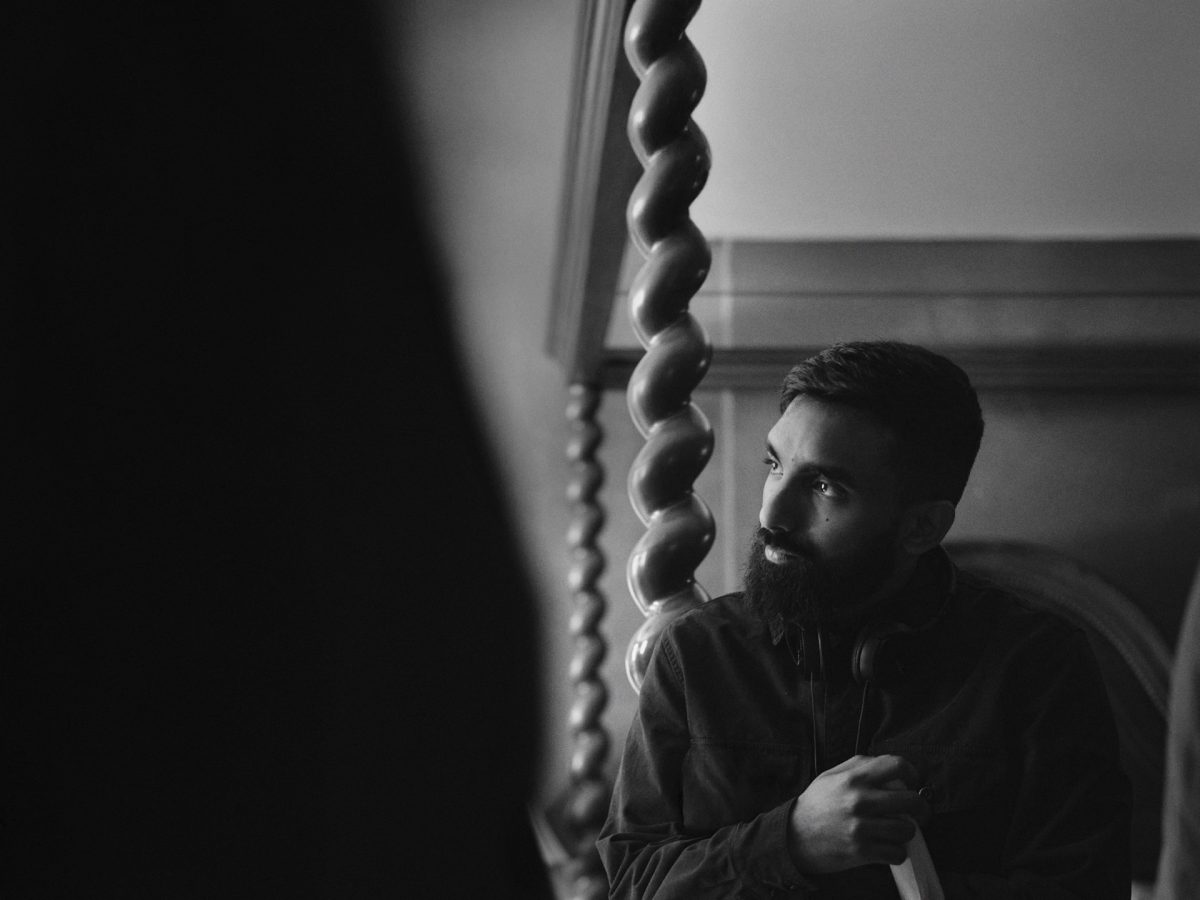
Photograph for ITFMA. All rights reserved.
Kalainithan Kalaichelvan is part of a new generation of Tamil-Canadian filmmakers using cinema to explore identity, memory, family, grief, and the emotional weight carried across generations. As a writer and director, his work sits at the intersection of personal history and cultural observation, often turning quiet, intimate moments into stories that feel deeply rooted, unsettling, and emotionally honest.
In an era where Tamil stories in the diaspora are still fighting for space on international screens, Kalaichelvan's rise represents something important. His films are not simply about representation for the sake of visibility. They are about complexity. They examine the things families avoid saying, the emotions communities often bury, and the ways immigrant households carry history without always having the language to explain it.
A Tamil-Canadian Voice With a Distinct Cinematic Eye
Kalaichelvan's filmmaking is shaped by a strong sense of atmosphere. His stories often move with patience, allowing silence, tension, and visual detail to carry meaning. Rather than relying on loud exposition, his films lean into mood, symbolism, and emotional restraint. That approach has helped him build a voice that feels both culturally specific and internationally accessible.
His work reflects the Tamil-Canadian experience without reducing it to simple nostalgia or cultural pride. Instead, he looks at the contradictions within family, tradition, migration, and belonging. His characters often seem caught between what they feel and what they are allowed to express. That emotional gap is where much of his strongest work lives.
For many children of immigrants, especially within South Asian and Tamil communities, family can be a place of love, sacrifice, silence, pressure, humour, and unresolved pain all at once. Kalaichelvan's films understand that complexity. He does not flatten his characters into heroes or victims. He allows them to be difficult, wounded, funny, strange, and human.
Early Short Films and Creative Development
Before receiving wider attention for Karupy, Kalaichelvan built his body of work through a series of short films and music videos. His short film credits include Petit Four, A Feller and the Tree, and Junglefowl, each contributing to his development as a filmmaker interested in form, feeling, and identity.
A Feller and the Tree is an example of his ability to use allegory and visual storytelling. The film's premise, involving a man cutting down a forest until he reaches the final tree, gives the story a mythic quality. It reflects Kalaichelvan's interest in using simple narrative structures to open up larger emotional and philosophical questions.
Junglefowl further established him as a filmmaker working with Tamil language, history, and memory. The film's presence in festival spaces helped position Kalaichelvan as one of the Tamil-Canadian directors to watch, especially within the growing conversation around South Asian and diaspora cinema.
Alongside his film work, Kalaichelvan has also made an impact in music videos. His work on Shan Vincent de Paul's "Neeye Oli," featuring Navz-47 and Santhosh Narayanan, received a JUNO nomination for Music Video of the Year in 2022. That recognition highlighted his ability to move between narrative film and music-driven visual storytelling while maintaining a strong cinematic identity.
Karupy: A Breakthrough Moment
Kalaichelvan's most significant breakthrough came with Karupy, a 2025 Canadian short film that premiered at the Toronto International Film Festival. The film follows Karupy, a Tamil-Canadian matriarch who announces at her 65th birthday party that she intends to end her life that very night. What follows is a darkly humorous, emotionally charged, and multi-generational portrait of a family forced to confront grief, silence, and unresolved pain.
The premise is bold, but the film's power comes from what it reveals beneath the shock of the announcement. Karupy is not simply about death. It is about the emotional structures that families build around pain. It is about what happens when a person who has carried the weight of everyone else's expectations finally speaks with brutal honesty. It is about the discomfort that emerges when a family is forced to listen.
The film blends dark humour, supernatural undertones, family tension, and cultural critique. In doing so, Kalaichelvan challenges the silence often found in South Asian households around mental health, aging, autonomy, and generational trauma. The result is a short film that feels both intimate and expansive. It is rooted in one family's crisis, but it speaks to a much broader emotional reality.
Karupy also marked a major industry moment for Kalaichelvan. Its selection at TIFF placed the film in one of the world's most important festival spaces, while its Canadian Screen Award nomination for Best Live Action Short Drama further affirmed its impact. For a Tamil-Canadian short film to receive that kind of recognition is significant not only for Kalaichelvan's career, but also for the visibility of Tamil stories within Canadian cinema.
Exploring Family, Identity, and the Culture of Silence
“Some of the most powerful stories begin with what a family refuses to say out loud.”
One of the defining themes across Kalaichelvan's work is silence. Not silence as emptiness, but silence as inheritance. His films often examine the things that go unsaid within families: grief, resentment, desire, disappointment, mental health, and the emotional cost of survival.
In many immigrant families, silence can become a coping mechanism. Parents and grandparents may carry trauma from war, migration, poverty, or displacement, but those experiences are not always openly discussed. Children inherit the emotional effects without always understanding the source. Kalaichelvan's work seems interested in that invisible transfer, the way pain moves through generations when nobody names it.
This is part of what makes his films resonate beyond the Tamil community. While his stories are culturally specific, the emotions are widely recognizable. Every family has secrets. Every generation inherits something. Every culture has rules around what can and cannot be spoken. Kalaichelvan's cinema finds drama in those rules and asks what happens when someone finally breaks them.
A Filmmaker Bridging Diaspora and World Cinema
Kalainithan Kalaichelvan's career also matters because of where he stands within the larger movement of Tamil diaspora storytelling. For decades, Tamil cinema has largely been understood through the lens of the South Indian film industry. But the global Tamil experience is much wider than Kollywood. Tamil communities in Canada, the United Kingdom, France, Germany, Switzerland, Australia, Malaysia, and beyond have their own stories, accents, struggles, humour, and creative languages.
Kalaichelvan's work contributes to that wider cinematic map. He is part of a generation proving that Tamil stories do not have to fit one industry model or one commercial format. They can be experimental, festival-driven, intimate, political, poetic, and strange. They can speak in English and Tamil. They can belong to Canada while still carrying the emotional memory of Eelam, migration, and diaspora life.
His films help expand the idea of what Tamil cinema can be. They show that Tamil identity on screen does not always need to be expressed through spectacle. It can also be expressed through a family argument, an uncomfortable silence, a surreal image, or a single line of dialogue that reveals years of buried emotion.
Collaboration and Creative Community
Kalaichelvan's work is also connected to a broader network of Tamil and South Asian creatives. His brother, Kalaisan Kalaichelvan, is a respected composer whose music has been attached to major festival films. Their creative connection reflects a larger ecosystem of Tamil-Canadian artists who are beginning to shape film, music, and visual culture on a national and international level.
This matters because movements are rarely built by one artist alone. They are built through communities of directors, composers, actors, producers, writers, cinematographers, and cultural organizers who push each other forward. Kalaichelvan's success is part of a larger wave of Tamil-Canadian creative excellence that is becoming harder for the industry to ignore.
Why Kalainithan Kalaichelvan Matters
Kalainithan Kalaichelvan matters because his work gives emotional shape to experiences that are often left unspoken. He is not simply telling Tamil stories; he is interrogating them. He is asking what identity costs, what family hides, and what happens when silence becomes unbearable.
His films are important because they do not chase easy representation. They challenge the audience. They make room for discomfort. They allow Tamil characters to be complicated, flawed, funny, wounded, and unpredictable. That kind of storytelling is essential for any community that wants to be seen fully, not just celebrated from a distance.
With Karupy, Kalaichelvan has taken a major step forward as one of the most compelling Tamil-Canadian filmmakers working today. His voice is bold, intimate, and necessary. As his work continues to reach larger audiences, he stands as an important figure in the evolution of diaspora cinema, a filmmaker turning family secrets, cultural silence, and inherited grief into art that demands to be felt.
Kalainithan Kalaichelvan's cinema reminds us that some of the most powerful stories begin with what a family refuses to say out loud. And in giving those silences a shape, he is helping create a new language for Tamil stories on screen.
Submissions and reader letters are welcome at itfmaconnect@gmail.com.
Related Reading
Behind Porattam, a Jaffna Creative Community Steps Onto a Bigger Stage
Behind Porattam is a network of Jaffna filmmakers, musicians and young actors now reaching cinemas across Sri Lanka and the diaspora.
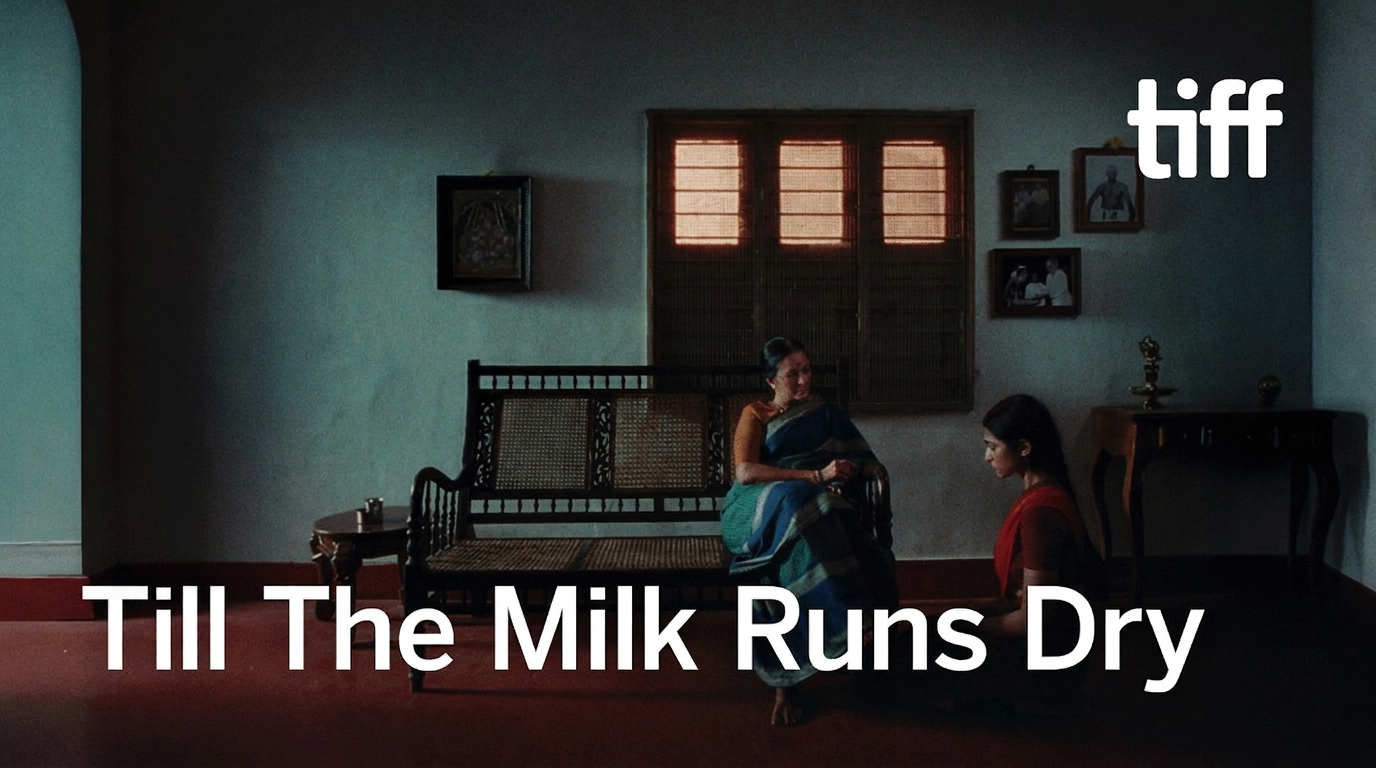
At TIFF, "Till the Milk Runs Dry" Looks Beyond the Grace of the Dancer
Premiering in TIFF's Short Cuts Programme 05, Kalainithan Kalaichelvan's 12-minute Tamil-language short follows a Bharatanatyam dancer whose body becomes the site of a much larger fight.
House of My Fathers: A Haunting Tamil Story of Memory, War, and Survival
Suba Sivakumaran's House of My Fathers refuses to reduce trauma into spectacle, building a tense emotional landscape where memory itself becomes the battlefield.