
Film
Karupy: The Tamil-Canadian Short Film Turning Family Silence Into Cinema
Kalainithan Kalaichelvan’s debut short, premiering at TIFF and nominated for a Canadian Screen Award, turns a Tamil matriarch’s birthday into an explosive confrontation with family silence.
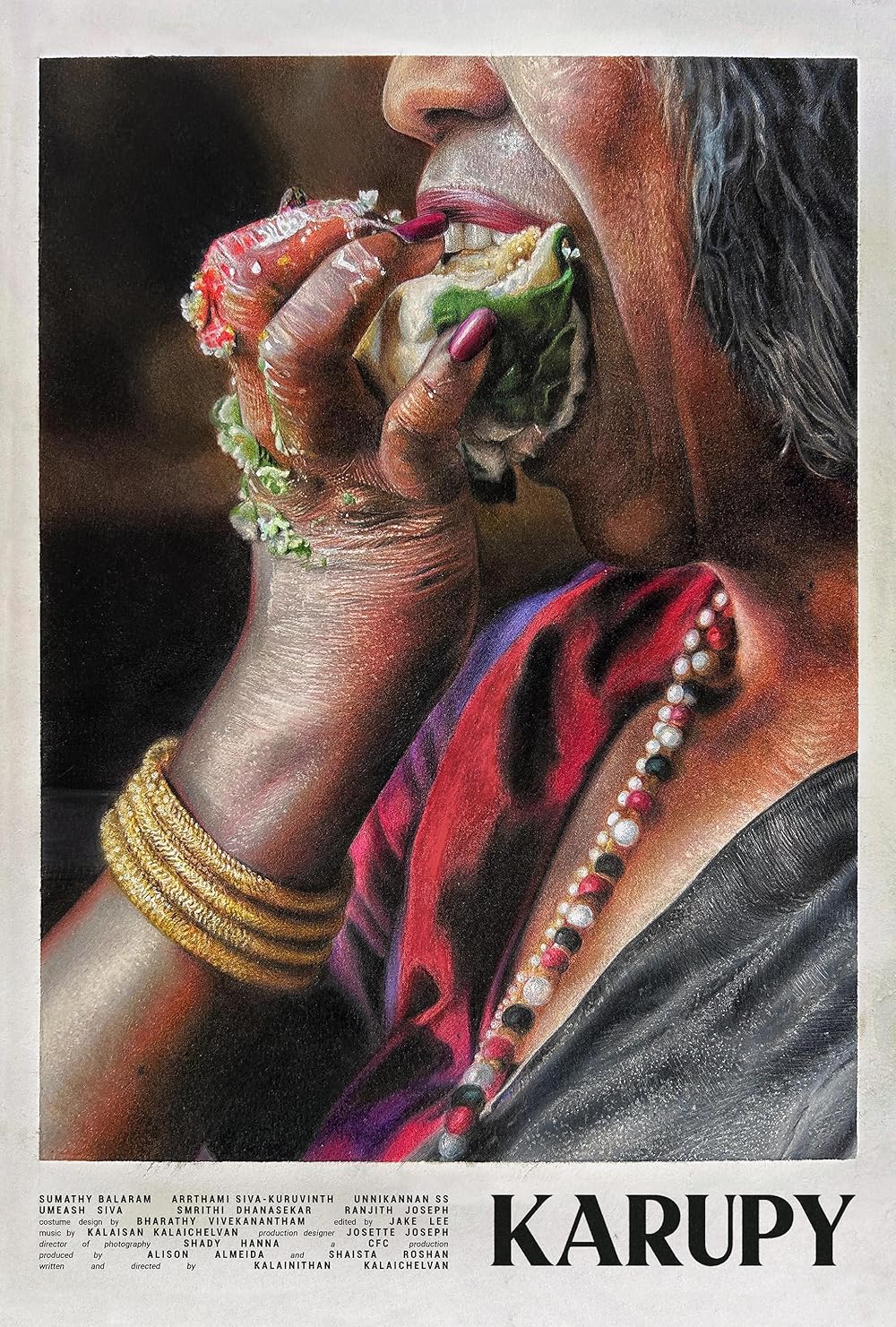
Photograph for ITFMA. All rights reserved.
In every Tamil family, there are things that are said out loud and things that live quietly beneath the surface. There are glances exchanged across dining tables, old wounds hidden behind celebrations, and generations of emotion buried under the expectation to simply move forward. Karupy, the 2025 short film by Tamil-Canadian filmmaker Kalainithan Kalaichelvan, steps directly into that silence and refuses to look away.
Set around what should be a simple family celebration, Karupy follows a Tamil matriarch during her 65th birthday gathering. But the event takes a shocking turn when she announces to her family that she intends to end her life that very night. What begins as a birthday quickly becomes an emotional confrontation, forcing everyone in the room to face the grief, resentment, dysfunction, and unresolved history they have spent years avoiding.
At only around twelve minutes, Karupy carries the weight of a feature film. It is intimate, unsettling, darkly funny, and deeply specific to the Tamil diasporic experience. The film does not depend on spectacle. Instead, its power comes from the home: the familiar setting of family members gathered together, the emotional pressure of tradition, and the quiet violence of things left unsaid.
What makes Karupy stand out is its central character. Tamil cinema and South Asian storytelling have often placed older women into narrow boxes: the self-sacrificing mother, the grieving widow, the moral centre of the household, or the quiet background figure whose pain exists only to serve someone else’s story. Karupy disrupts that tradition. She is not written as a saint. She is sharp, bitter, regal, complicated, wounded, and fully human.
That complexity is what gives the film its force. Karupy is not simply a woman in crisis. She is a matriarch who has lived through decades of emotional weight and now chooses to make the entire family confront it with her. Her announcement is shocking, but it also becomes a form of control, rebellion, and truth-telling. In a culture where elders are often expected to preserve family honour, Karupy instead exposes the cracks within it.
The film’s dark humour is especially important. Karupy does not treat family dysfunction only as tragedy. It understands that Tamil households, like many immigrant homes, can hold grief and comedy in the same breath. One moment can feel devastating; the next can feel absurd. That emotional contradiction gives the film its realism. It captures the chaos of family not as something clean and dramatic, but as something messy, loud, uncomfortable, and painfully familiar.
For Tamil audiences, the film feels especially resonant because it reflects a world rarely seen with this level of nuance on a major festival stage. The Tamil home is not used as decoration. The language, generational tension, family structure, and emotional codes are part of the film’s foundation. It is not a story trying to explain Tamil culture from the outside. It is a story that understands the culture from within.
At the same time, Karupy is not limited to Tamil viewers. Its themes are universal: aging, resentment, motherhood, control, emotional inheritance, and the complicated love that keeps families tied together even when they hurt each other. The film’s specificity is exactly what makes it accessible. By being honest about one family, it opens a door into many.
“Karupy is more than a short film. It is a statement that Tamil stories can be intimate and global at the same time.”
Kalainithan Kalaichelvan’s direction brings a bold visual and tonal identity to the film. Rather than presenting the story in a flat, realistic style, Karupy leans into mood, tension, and cinematic exaggeration. The world of the film feels heightened, almost theatrical, allowing the emotional chaos of the family to spill into the visual language. This gives the short a distinct personality: part family drama, part dark comedy, part psychological confrontation.
The film’s selection at the Toronto International Film Festival marked an important moment for Tamil-Canadian cinema. TIFF remains one of the most influential film festivals in the world, and for a Tamil diasporic short to be featured in that space signals a growing recognition of stories that have long existed outside the mainstream spotlight. Karupy is not just a festival selection; it is part of a wider movement of Tamil creatives pushing their stories into global film conversations.
That recognition continued with its Canadian Screen Award nomination for Best Live Action Short Drama, further establishing Karupy as one of the standout Canadian shorts of its year. For Tamil artists in the diaspora, this matters. It proves that culturally specific storytelling does not need to be watered down to be celebrated. It proves that Tamil stories can be strange, bold, uncomfortable, funny, and artistically ambitious, and still belong on major stages.
The film also arrives at an important time for Tamil cinema outside of Kollywood. Around the world, Tamil creatives are building a new visual language rooted in diaspora, memory, migration, and identity. These films are not trying to imitate mainstream Tamil cinema. They are expanding what Tamil cinema can be. Karupy belongs to that wave: a film that carries Tamil identity but speaks in a fresh, independent, globally minded voice.
Ultimately, Karupy is a film about what happens when silence finally breaks. It asks what families inherit from one generation to the next, what women are forced to carry, and what happens when someone refuses to perform peace for the comfort of others. It is short in runtime, but large in emotional impact.
For ITFMA, Karupy represents exactly the kind of work that deserves attention: a Tamil diasporic film that is artistically fearless, culturally grounded, and internationally recognized. It is proof that Tamil storytelling is not confined to one industry, one geography, or one style. It is alive across the world, in homes, in memories, in festival theatres, and in the hands of filmmakers willing to tell the truth.
Karupy is more than a short film. It is a statement that Tamil stories can be intimate and global at the same time. And as more Tamil creatives across the diaspora step forward with work like this, the future of Tamil cinema will only become wider, deeper, and more powerful.
Submissions and reader letters are welcome at itfmaconnect@gmail.com.
Related Reading
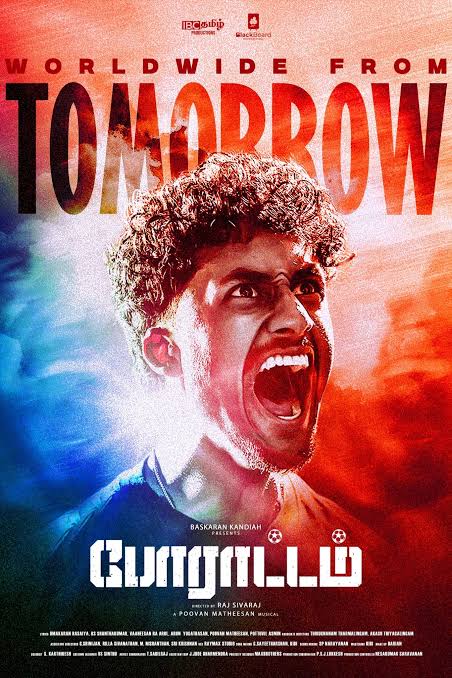
Behind Porattam, a Jaffna Creative Community Steps Onto a Bigger Stage
Behind Porattam is a network of Jaffna filmmakers, musicians and young actors now reaching cinemas across Sri Lanka and the diaspora.
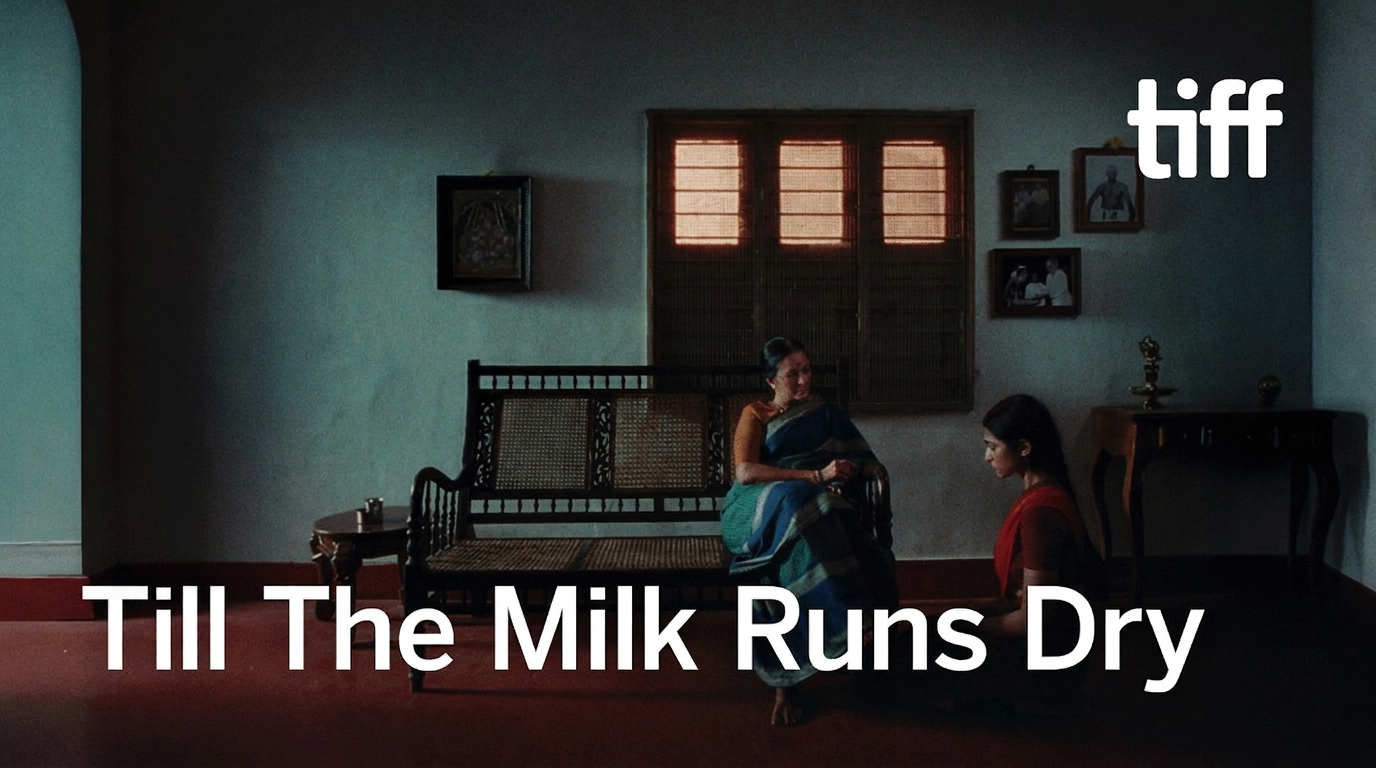
At TIFF, "Till the Milk Runs Dry" Looks Beyond the Grace of the Dancer
Premiering in TIFF's Short Cuts Programme 05, Kalainithan Kalaichelvan's 12-minute Tamil-language short follows a Bharatanatyam dancer whose body becomes the site of a much larger fight.

House of My Fathers: A Haunting Tamil Story of Memory, War, and Survival
Suba Sivakumaran's House of My Fathers refuses to reduce trauma into spectacle, building a tense emotional landscape where memory itself becomes the battlefield.