
Film
Maitreyi Ramakrishnan: The Tamil-Canadian Star Rewriting What Global Representation Looks Like
From a high school theatre stage in Mississauga to leading a global Netflix series and joining Pixar and Disney, Ramakrishnan is part of a generational reimagining of Tamil identity on screen.
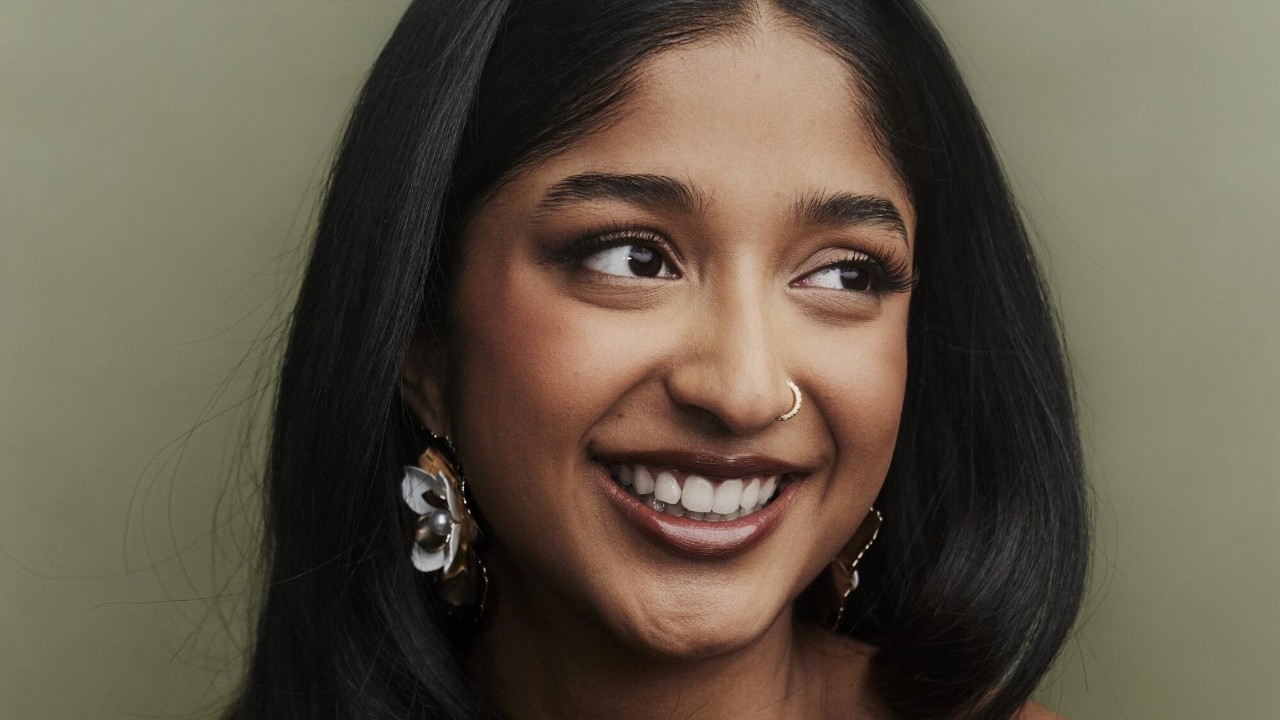
Photograph for ITFMA. All rights reserved.
There are certain careers that feel less like a slow climb and more like a cultural arrival. Maitreyi Ramakrishnan's rise belongs to that rare category. She did not enter Hollywood through the usual machinery of industry connections, inherited access, or years of carefully managed screen credits. She arrived as a teenager from Mississauga, Ontario, with a high school theatre background, a sharp sense of self, and the kind of presence that could make a global audience stop scrolling.
When she was cast as Devi Vishwakumar in Netflix's Never Have I Ever, Ramakrishnan was not simply stepping into a lead role. She was stepping into a moment. For many South Asian, Tamil, and immigrant-family viewers around the world, the show became more than a teen comedy. It became a mirror, imperfect, funny, emotional, chaotic, and deeply recognizable. At the centre of it was a young Tamil-Canadian actress who understood that representation was not just about being visible. It was about being human.
Born and raised in Mississauga to Sri Lankan Tamil parents, Ramakrishnan carries a story familiar to many in the Tamil diaspora: the story of families who rebuilt their lives after displacement, war, and migration, and of children who grew up balancing inherited memory with Western possibility. Her public identity as Tamil-Canadian has become an important part of her cultural impact. In an entertainment industry that has often flattened South Asian identity into broad, generalized categories, her presence has helped make room for specificity.
That specificity matters.
For decades, Tamil stories have lived powerfully in homes, community halls, local stages, independent films, music videos, and cultural festivals. But global mainstream entertainment has rarely made space for Tamil identity in its full complexity. Ramakrishnan's success does not solve that gap by itself, but it widens the doorway. She represents a generation of Tamil creatives who are not waiting for permission to exist on international platforms. They are entering the frame as actors, writers, musicians, filmmakers, producers, and cultural architects, carrying their roots without allowing those roots to limit their range.
Her breakout role as Devi Vishwakumar worked because it refused to make its heroine perfect. Devi was brilliant, impulsive, grieving, insecure, ambitious, selfish, loving, and deeply funny. She was the kind of character rarely given to young women of colour on mainstream television: messy enough to be real. Ramakrishnan played her with a combustible mix of intelligence and vulnerability, turning what could have been a standard coming-of-age role into something sharper and more emotionally alive.
The success of Never Have I Ever was significant not only because of its viewership, but because of what it normalized. It placed a brown teenage girl at the centre of a global series without making her a sidekick, stereotype, or cultural lesson. Her love life, friendships, grief, academic pressure, family conflict, and identity struggles were not background details. They were the story. Ramakrishnan became the face of a show that allowed South Asian youth to be complicated in public.
That is a powerful shift.
But what makes Ramakrishnan especially compelling is that she has not allowed herself to be trapped by the role that made her famous. After Never Have I Ever, she moved into voice work with Pixar's Turning Red, playing Priya, one of Mei Lee's close friends in a film that explored adolescence, family expectation, and cultural identity through a distinctly Toronto lens. The project connected naturally to Ramakrishnan's own Canadian upbringing, placing her voice inside another story about young girls navigating the emotional intensity of growing up between cultures.
She later joined Disney's Freakier Friday as Ella, a pop star managed by Lindsay Lohan's character, Anna. It was a different kind of move: bigger studio, legacy franchise, mainstream comedy, and a role that positioned her within a beloved Disney universe. For an actress who first became known through a streaming coming-of-age series, this step signaled a broader industry recognition. Ramakrishnan was no longer only the breakout star of one hit Netflix show. She was becoming a flexible performer with the ability to move between teen comedy, animation, studio film, and ensemble projects.
Her upcoming and recent slate suggests that Hollywood sees the same thing her earliest fans saw: range. With reported roles connected to projects like Prime Video's Elle and Netflix's dance comedy Best of the Best, Ramakrishnan appears to be entering the next stage of her career with intention. These are the years that often define whether a young star becomes associated with one cultural moment or evolves into a lasting creative force. So far, she seems to be choosing evolution.
“She made the world look toward the Tamil diaspora and pay attention.”
Still, to understand Ramakrishnan's impact fully, one has to look beyond credits. Her importance lies in what she represents for young Tamil people across Canada, the United States, the United Kingdom, Europe, Australia, and beyond. For many in the diaspora, success has often been measured through traditional paths: medicine, law, engineering, finance, business. Creative ambition, especially in film and entertainment, has not always been given the same permission. Ramakrishnan's career challenges that old boundary.
She proves that a Tamil girl from Mississauga can lead a global Netflix series. She proves that a child of refugee parents can become a Disney and Pixar voice. She proves that cultural specificity is not a weakness in mainstream entertainment, it can be the very thing that makes an artist unforgettable.
There is also something distinctly modern about the way Ramakrishnan carries herself. She does not appear interested in being reduced to a symbol, even as she understands the symbolic weight of her presence. She speaks with humour, confidence, and a grounded awareness of the communities watching her. That balance is difficult. Too often, artists of colour are asked to be grateful, educational, and representative all at once. Ramakrishnan's appeal comes partly from the fact that she feels like a real person inside that pressure, thoughtful, outspoken, funny, and unwilling to shrink herself.
Her rise also arrives at a pivotal moment for Tamil visibility in global arts. Across the diaspora, Tamil creatives are building new lanes in film, music, fashion, comedy, and digital media. Independent Tamil musicians are reaching listeners through streaming platforms. Filmmakers are bringing diaspora stories to festivals. Actors and creators are entering mainstream Western productions while still carrying the emotional imprint of their communities. Ramakrishnan stands as one of the most visible figures in that wider movement.
For ITFMA, her story is essential because it captures the bridge we aim to celebrate: Tamil identity moving across borders, languages, industries, and formats. She is not part of Kollywood, yet her work matters deeply to the global Tamil creative ecosystem. She is not making traditional Tamil cinema, yet her presence expands what Tamil representation can look like on screen. She is part of a new cultural map, one where Tamil artists are not confined to one industry, one geography, or one definition of success.
That is what makes Maitreyi Ramakrishnan more than a breakout star. She is part of a generational reimagining.
Her career began with a role that gave South Asian teenagers the rare gift of being seen in their full emotional chaos. It has since grown into something wider: a reminder that diaspora stories are not side stories. They are global stories. They carry humour, grief, ambition, contradiction, and beauty. They belong on Netflix, Disney, Pixar, Prime Video, film festivals, music platforms, and every screen where culture is being shaped.
Maitreyi Ramakrishnan's journey is still young, but its significance is already clear. She has become one of the most recognizable Tamil-Canadian performers of her generation, not by fitting into the industry's old expectations, but by helping change them.
For a community that has long known its talent before the world recognized it, her success feels personal. It feels like a door opening. It feels like a reminder that the next global star, filmmaker, musician, or storyteller may already be sitting in a classroom in Scarborough, a studio in London, a bedroom in Sydney, a campus in Paris, or a family home in Mississauga, carrying Tamil roots, global dreams, and a story ready to travel.
Maitreyi Ramakrishnan did not just break through. She made the world look toward the Tamil diaspora and pay attention.
Submissions and reader letters are welcome at itfmaconnect@gmail.com.
Related Reading
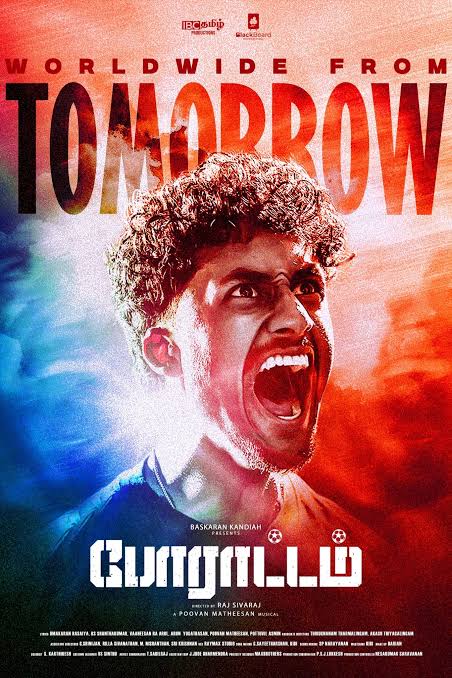
Behind Porattam, a Jaffna Creative Community Steps Onto a Bigger Stage
Behind Porattam is a network of Jaffna filmmakers, musicians and young actors now reaching cinemas across Sri Lanka and the diaspora.
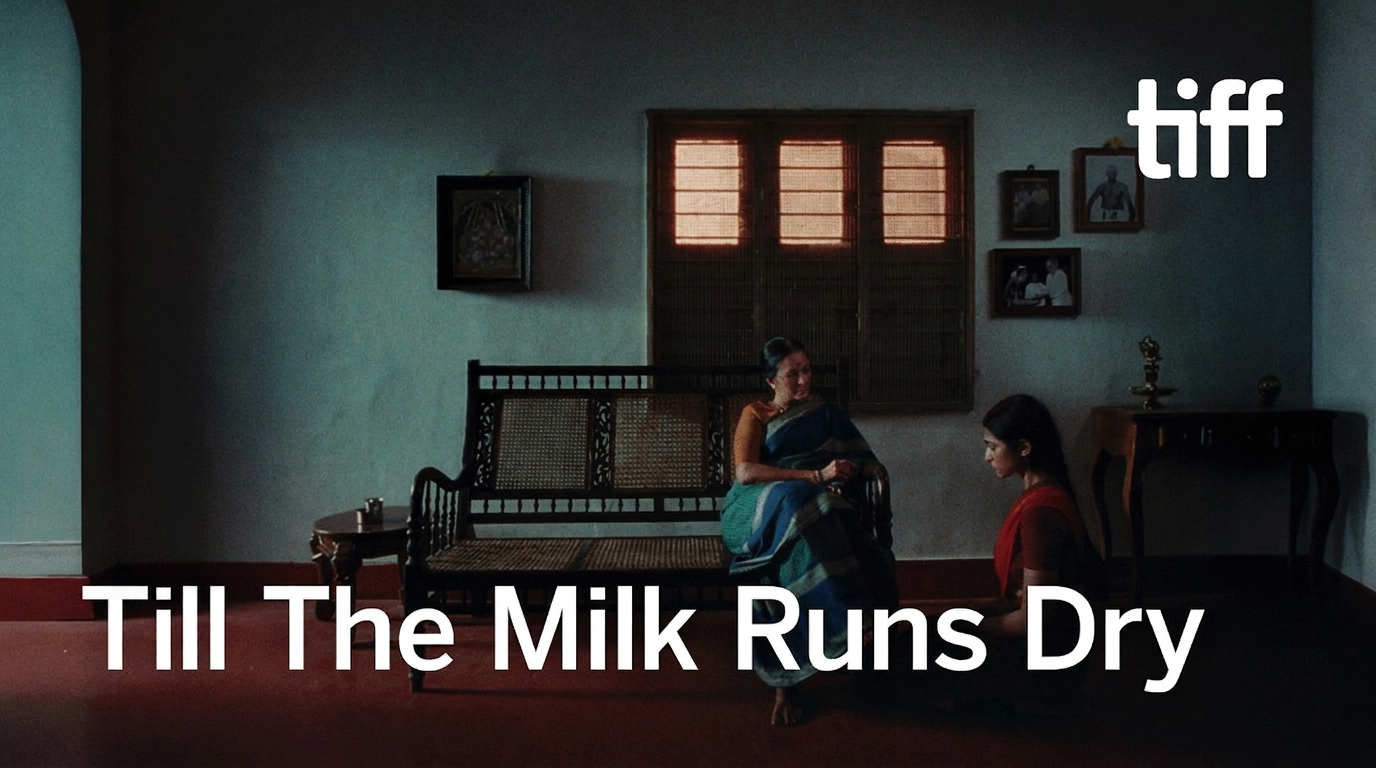
At TIFF, "Till the Milk Runs Dry" Looks Beyond the Grace of the Dancer
Premiering in TIFF's Short Cuts Programme 05, Kalainithan Kalaichelvan's 12-minute Tamil-language short follows a Bharatanatyam dancer whose body becomes the site of a much larger fight.

House of My Fathers: A Haunting Tamil Story of Memory, War, and Survival
Suba Sivakumaran's House of My Fathers refuses to reduce trauma into spectacle, building a tense emotional landscape where memory itself becomes the battlefield.