
Music
Sathyan Ilanko: The Australian Tamil Voice Helping Shape a New Era of Tamil Music
From Western Sydney to the global Tamil stage, Sathyan Ilanko is proof that the next chapter of Tamil music can be written from anywhere.

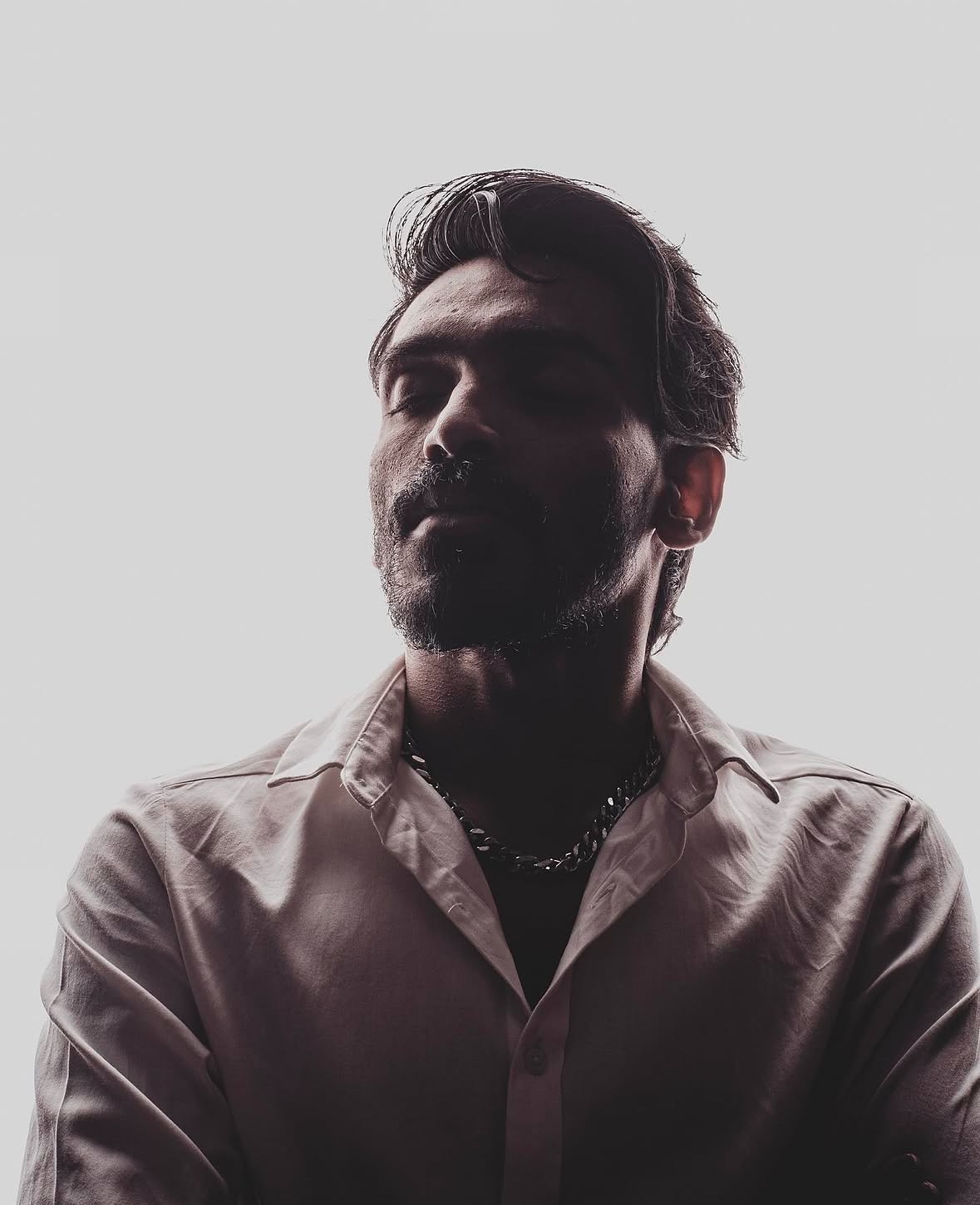
Photograph for ITFMA. All rights reserved.
For a new generation of Tamil creatives, the path into the industry no longer begins and ends in Kollywood. It can start in Western Sydney, inside diaspora homes, community stages, Tamil school classrooms and independent studios. Sathyan Ilanko is proof of that shift.
Born in New Zealand and raised in Australia, Sathyan represents the growing wave of Tamil artists from the diaspora who are not just preserving Tamil culture, but actively reshaping it. His Australian upbringing gave him a unique creative lens: rooted in Tamil language and identity, yet influenced by the multicultural rhythm of Western Sydney. In a city shaped by migration, music and layered identities, Sathyan's artistry reflects a generation that grew up between worlds, carrying Tamil heritage at home while absorbing global sounds outside of it.
That balance has become one of the defining strengths of his work.
Sathyan's breakthrough moment came with "Aasa Kooda." As the lyricist behind the global independent Tamil hit, he helped shape one of the most important Tamil music moments of recent years. The song did not arrive through the usual film-industry machine, yet it travelled with the impact of a major cinema release. Its success showed that Tamil music could reach millions without needing a superstar-led movie, a traditional banner or an established Kollywood pathway behind it.
For Sathyan, "Aasa Kooda" was more than a viral moment. It introduced him to a global Tamil audience as a writer with emotional clarity and cultural instinct. The song's softness, simplicity and romantic pull connected across borders, proving that young Tamil listeners were ready for music that felt modern without losing its roots.
He also strengthened his reputation as a writer by co-writing the viral song "Maname" by Sarah Black. The track further showed Sathyan's ability to create music that connects with a younger Tamil audience, songs that feel emotionally direct, melodically current and built for the digital era without losing their cultural grounding. His contribution to "Maname" added another important layer to his growing catalogue, proving that his pen was not tied to one moment, but part of a wider creative movement.
After "Aasa Kooda," Sathyan continued building momentum and expanding his own artistic identity. One of those moments came through "Nethu Adicha Sarakku," his collaboration with Ratty Adhiththan, one of the most recognized Tamil artists from the international independent scene. The track placed Sathyan alongside a major diaspora figure and introduced his voice to a wider audience already tuned into Tamil music beyond Kollywood.
“From Australia to the global Tamil stage, Sathyan Ilanko is helping prove that the next chapter of Tamil music can be written from anywhere.”
The collaboration also showed Sathyan's ability to move across spaces. He was not only the young lyricist behind a global hit; he was becoming a performer in his own right, stepping into records that carried the energy of the independent Tamil scene. Working with Ratty connected Sathyan to a wider movement of artists proving that Tamil music from outside India could still feel authentic, competitive and culturally powerful.
He then stepped further into his own lane with his debut solo single, "Neeroda." The release marked an important chapter in his journey, showing him not only as a collaborator or lyricist, but as an artist with his own voice, direction and emotional language. "Neeroda" carried the sensitivity of a young Tamil creative expressing love, longing and identity through a sound that felt both personal and contemporary.
With "Neeroda," Sathyan began to define what his solo artistry could look like. It was not about chasing a formula. It was about building a sound that reflected where he comes from, what he feels and how he sees Tamil music moving forward. The song positioned him as part of a new generation willing to experiment while still holding the language close.
What makes Sathyan Ilanko's rise important is not just one viral song, one collaboration or one debut single. It is what his journey represents. He is part of a generation of Australian Tamil artists who grew up outside the traditional Tamil entertainment industry, yet found a way to contribute meaningfully to it.
His work carries the sound of the diaspora: connected to Tamil roots, shaped by Western influence and open to the world. It speaks to young Tamils who grew up far from Chennai but still felt deeply tied to the language, music and emotion of their culture.
From Australia to the global Tamil stage, Sathyan Ilanko is helping prove that the next chapter of Tamil music can be written from anywhere. His story is not just about where Tamil music has been, it is about where it is going next.
Submissions and reader letters are welcome at itfmaconnect@gmail.com.
Related Reading
Ratty Adhiththan and a Tamil Hip-Hop Without a Single Centre
Shaped by Jaffna, Malaysia and France, Ratty Adhiththan helped widen the definition of Tamil music while staying rooted in language.

Smith Asher Steps Forward Under Anirudh’s Albuquerque Records
Singer, producer, guitarist and programmer Smith Asher steps into the spotlight with “Annakiliye,” released on Anirudh Ravichander’s Albuquerque Records.

Dhee, Lara Raj and a Borderless Tamil Future
Dhee carried Tamil music outward. Lara Raj of KATSEYE found her way in from the Western mainstream. On “Vari Vari,” their journeys meet.