
Film
Someetharan's Long Road to Kollywood: How Neelira Brings Eelam Tamil Memory to the Big Screen
With Neelira, director Someetharan places Eelam Tamil life at the centre of Tamil cinema, not as background, not as tragedy alone, but as a full world with its own language, customs, and humanity.
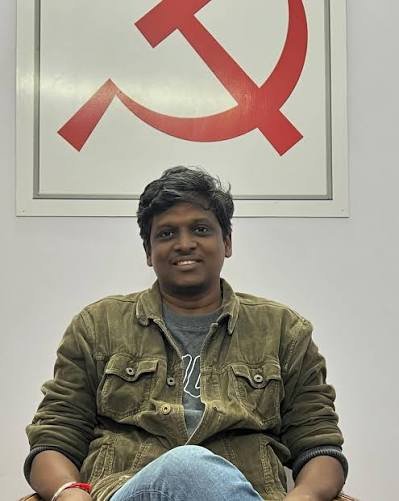
Photograph for ITFMA. All rights reserved.
For decades, Tamil cinema has told stories of love, loss, revolution, family, and survival. But for many Eelam Tamils across the world, there has long been one question sitting quietly in the background: when will our stories be told by us?
With Neelira, director Someetharan answers that question with a film rooted in memory, pain, and cultural truth. The film follows an Eelam Tamil family on the eve of a wedding, when the violence of war suddenly enters their home. But Neelira is not simply a war film. It is a film about life inside war, the food, language, fear, humour, love, rituals, and ordinary moments that continue even when history is collapsing around you.
Someetharan's journey to Kollywood is not the usual industry story. He did not come from the protected circles of Tamil cinema. He came from Eelam Tamil roots, from lived experience, from journalism, documentary filmmaking, and the memories of growing up in a militarised landscape. His path was shaped outside the enclosed world of Kollywood, yet it is precisely that outside perspective that gives Neelira its power.
After beginning his career as a journalist and documentary filmmaker, Someetharan moved to Chennai in 2004 to study Visual Communication at Loyola College. He later worked as an assistant director under the legendary Balu Mahendra, a filmmaker whose own Eelam Tamil background deeply influenced Tamil cinema. Balu Mahendra reportedly encouraged Someetharan to make his first feature an Eelam Tamil film if he ever got the chance. Years later, that dream has taken shape through Neelira.
For Someetharan, this film is more than a directorial debut. It is a form of reclamation. Eelam Tamil stories have often been viewed from a distance, filtered through outsiders, simplified by politics, or ignored by mainstream Tamil cinema. Neelira places Eelam Tamil life at the centre, not as background, not as tragedy alone, but as a full world with its own language, customs, homes, emotions, and humanity.
The film's arrival in Kollywood is significant because it challenges the idea that Tamil cinema must only be defined by Chennai's traditional industry structures. Someetharan represents a new kind of filmmaker entering the space: one whose identity, history, and audience extend far beyond Tamil Nadu. His work speaks to Tamils in the homeland and across the diaspora, in Toronto, London, Paris, Sydney, and every city where Eelam Tamil memory has been carried across generations.
“Tamil cinema is bigger than one industry, one geography, or one version of Tamil identity. It belongs to every Tamil story that has survived long enough to be told.”
Backed by Stone Bench Productions and produced by names including Karthik Subbaraj and Rana Daggubati, Neelira marks a rare moment where a deeply Eelam Tamil story is being presented within the mainstream Tamil film ecosystem. That support matters. It signals that stories from outside Kollywood's traditional borders can still enter the industry when they are told with conviction, craft, and cultural truth.
What makes Someetharan's rise powerful is that he did not erase where he came from to enter Kollywood. He brought it with him. He brought the dialect, the homes, the memories, the unresolved wounds, and the emotional world of Eelam Tamils to the screen. In doing so, he has opened a door for other Tamil filmmakers from the diaspora and the homeland who have long been waiting for space.
Neelira is not just a film. It is a statement: Tamil cinema is bigger than one industry, one geography, or one version of Tamil identity. It belongs to every Tamil story that has survived long enough to be told.
And with Someetharan's arrival, Eelam Tamil cinema has taken a major step into the heart of Kollywood.
Submissions and reader letters are welcome at itfmaconnect@gmail.com.
Related Reading
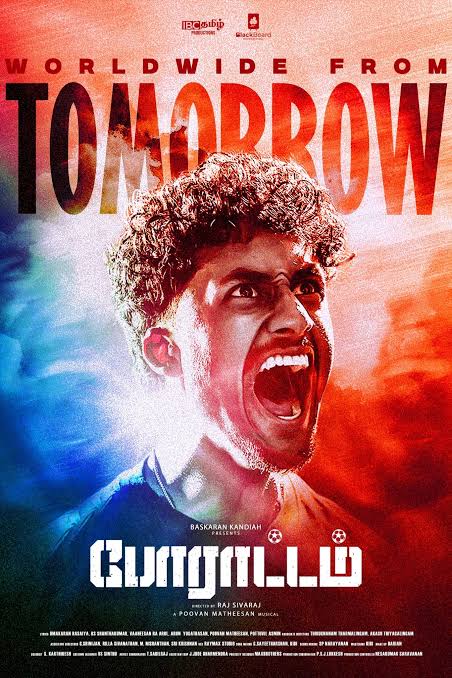
Behind Porattam, a Jaffna Creative Community Steps Onto a Bigger Stage
Behind Porattam is a network of Jaffna filmmakers, musicians and young actors now reaching cinemas across Sri Lanka and the diaspora.
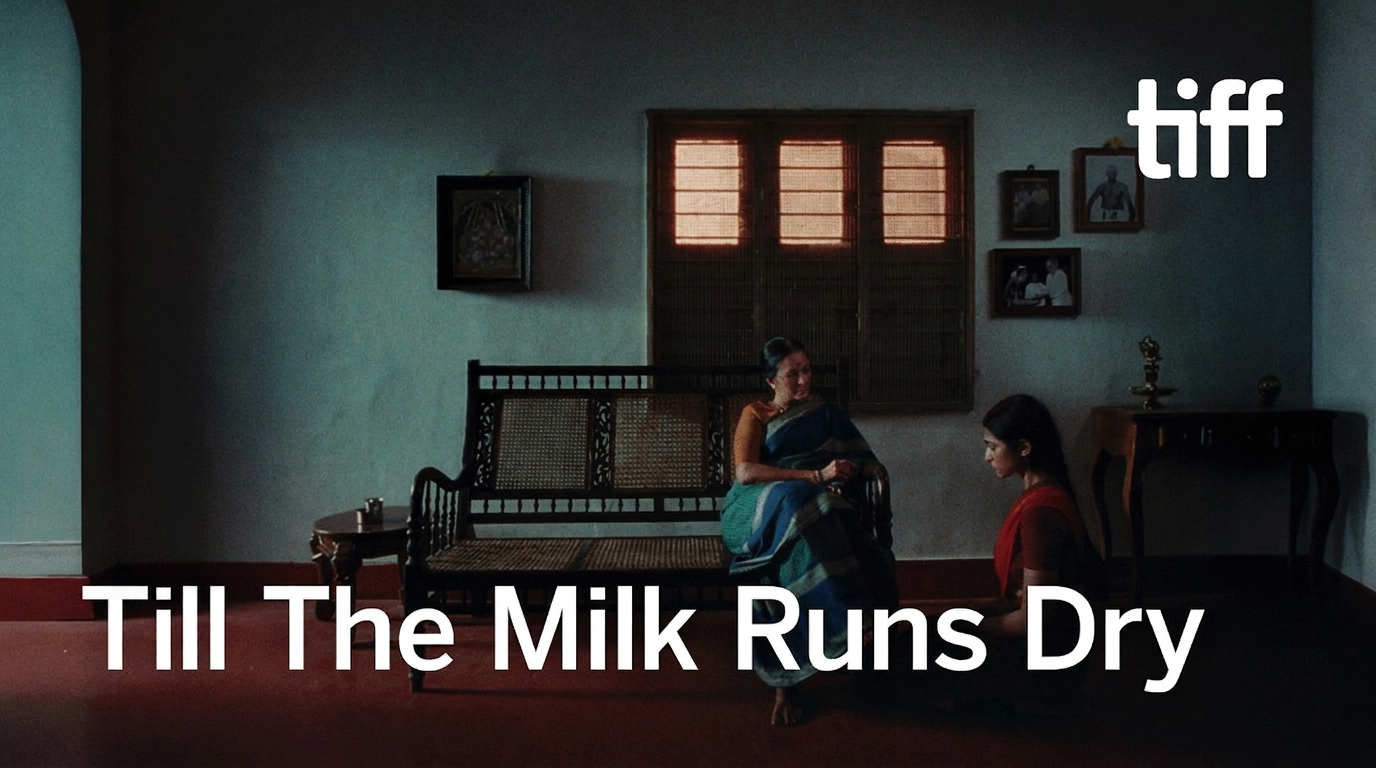
At TIFF, "Till the Milk Runs Dry" Looks Beyond the Grace of the Dancer
Premiering in TIFF's Short Cuts Programme 05, Kalainithan Kalaichelvan's 12-minute Tamil-language short follows a Bharatanatyam dancer whose body becomes the site of a much larger fight.
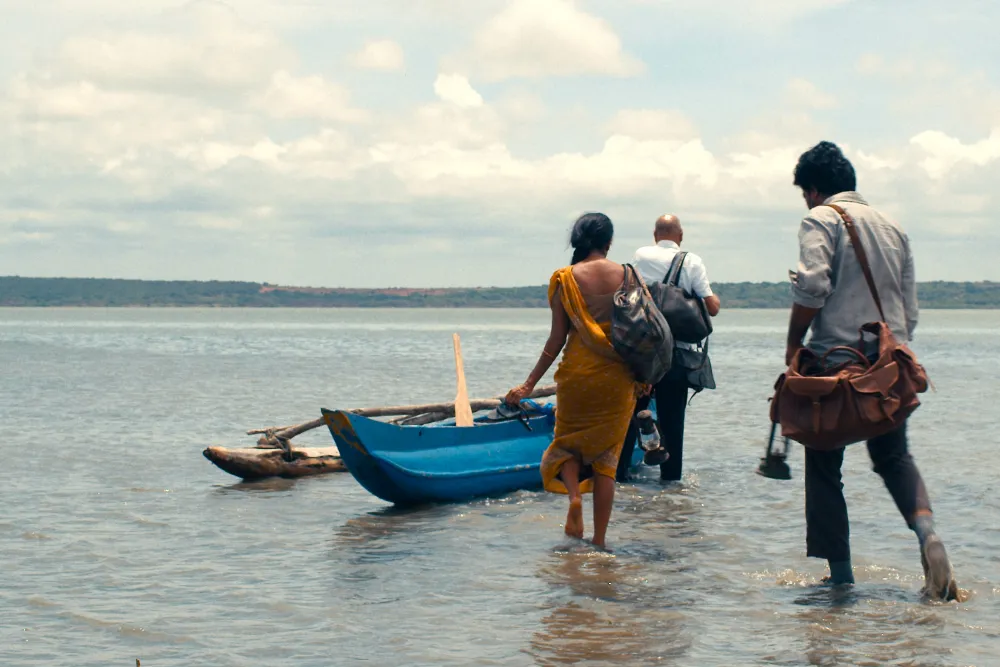
House of My Fathers: A Haunting Tamil Story of Memory, War, and Survival
Suba Sivakumaran's House of My Fathers refuses to reduce trauma into spectacle, building a tense emotional landscape where memory itself becomes the battlefield.