
Music
Supaveen: The Toronto Tamil Artist Reimagining the Sound of a Global Generation
A Toronto-based Tamil-Canadian singer, songwriter, and producer blending Tamil melodies with pop, hip-hop, EDM, and global rhythms into something both rooted and forward-facing.

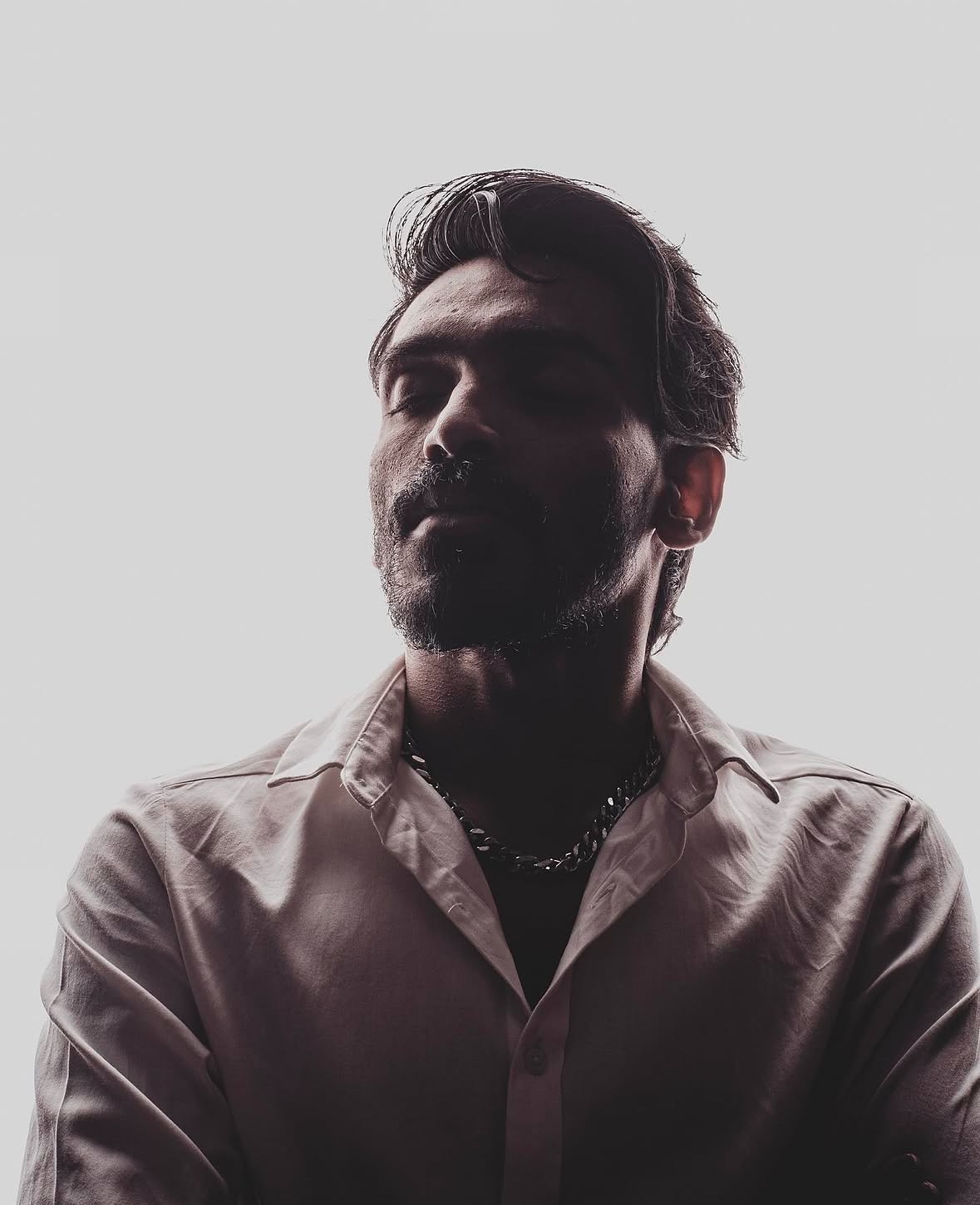
Photograph for ITFMA. All rights reserved.
In every generation, there are artists who do more than simply release songs. They create a feeling. They build a sound that reflects where they come from, where they are now, and where their community is heading next. For the new wave of Tamil music emerging from the diaspora, Supaveen stands as one of those voices.
A Toronto-based Tamil-Canadian singer, songwriter, and producer, Supaveen represents a generation of artists who are no longer waiting for permission to define Tamil music on their own terms. His music sits at the intersection of heritage and experimentation, blending Tamil melodies, South Indian rhythmic instincts, pop sensibility, hip-hop textures, EDM energy, and global sounds into something that feels both familiar and forward-facing.
For many Tamil listeners across Canada, the United Kingdom, Europe, Australia, and beyond, Supaveen's music carries a deeper emotional weight. It is not just entertainment. It is a reflection of growing up between worlds. It is the sound of Tamil identity being stretched, modernized, and celebrated without losing its roots.
Supaveen's journey began long before the streaming numbers, music videos, and collaborations. Like many Tamil artists in the diaspora, his earliest connection to music was shaped by family, community, and culture. Growing up in and around the Toronto Tamil scene, he was exposed to local shows, community stages, and the kind of cultural gatherings where music was not just performance, but a form of belonging.
His early years as a singer gave him the foundation to understand melody, emotion, and the power of vocal expression. He later spent time in India, where he received vocal training and was exposed more deeply to Carnatic music and the larger Tamil entertainment ecosystem. That experience helped sharpen his understanding of the traditional side of Tamil music, while his life in Canada exposed him to pop, R&B, hip-hop, electronic music, and the multicultural soundscape of Toronto.
That mix is important. Supaveen is not an artist who simply adds Tamil lyrics over Western production. His work feels more intentional than that. He takes the emotional language of Tamil music and places it inside modern sonic worlds, allowing the two to speak to each other naturally. The result is music that feels rooted, but not restricted.
Supaveen's rise became strongly connected to his collaborations with Vidusan, another key Tamil-Canadian creative voice. Together, they began creating music that reached far beyond the local scene, especially through songs like 'Serithaana,' 'Mayilu,' and 'Ninaivilae.' These records helped introduce listeners to a new kind of Tamil indie sound. 'Serithaana' carried emotional depth with a modern, melodic structure. 'Mayilu' brought a captivating, replayable energy that made it one of the standout Tamil diaspora records of its time. 'Ninaivilae' continued that momentum, showing that the movement was not built on one viral moment, but on a clear artistic direction.
What made these songs connect was their balance. They sounded polished enough to compete with global pop releases, but still carried a Tamil soul. For young Tamil listeners, especially those who grew up outside of Tamil Nadu or Sri Lanka, this mattered. It gave them music that felt like their own lived experience.
This is where Supaveen's importance begins to stand out. He is part of a generation proving that Tamil music does not have to live inside one geography. It can come from Scarborough, Toronto, London, Paris, Zurich, Sydney, or anywhere else Tamil people have built communities. The language travels. The rhythm travels. The feeling travels.
One of Supaveen's strongest qualities is his willingness to experiment. His music does not stay locked inside one genre. Instead, it moves through different influences while keeping Tamil identity at the centre. With tracks like 'Chickana,' Supaveen and his collaborators explored the relationship between Moroccan music, amapiano, Tamil kuthu, and wider global rhythms. That kind of fusion is not random. It reflects the way young diaspora audiences actually listen to music today. A Tamil listener in Toronto might have Kollywood, Drake, Burna Boy, Bad Bunny, A.R. Rahman, Anirudh, and amapiano playlists all living in the same phone. Supaveen's sound understands that reality.
“Supaveen is not just participating in the movement. He is helping shape it.”
'Trippila' continued this direction, bringing together amapiano, hip-hop, and traditional South Indian influences. Rather than treating Tamil music as something separate from global trends, Supaveen places it directly inside the global conversation. That is the difference between imitation and innovation. Supaveen is not chasing trends for the sake of sounding current. He is building bridges between sounds that already share rhythm, movement, and spirit. His music suggests that Tamil music belongs wherever people dance, feel, remember, and celebrate.
Although Supaveen's voice is central to his appeal, his artistry goes beyond singing. As a songwriter and producer, he understands the architecture of a record. He knows how melody, rhythm, tone, and production need to work together to create a full experience. This makes him part of a growing class of independent Tamil creatives who are not waiting for traditional industry structures to develop them. Instead, they are building from the ground up: writing, producing, collaborating, shooting visuals, releasing music independently, and cultivating audiences through digital platforms.
That independent spirit is a major part of the modern Tamil music movement. For decades, Tamil music was largely defined by the film industry. Kollywood gave the world legendary composers, singers, and songs, but it also shaped the idea that Tamil music had to be attached to cinema in order to gain scale. Artists like Supaveen challenge that idea. They show that Tamil music can stand on its own. It can be independent. It can be diaspora-led. It can be genre-fluid. It can exist outside of film while still carrying cinematic emotion.
Supaveen's story is also tied to Toronto's larger Tamil creative rise. Toronto has long been one of the most important Tamil diaspora cities in the world. It is home to generations of Eelam Tamil families, South Asian creatives, DJs, producers, filmmakers, dancers, entrepreneurs, and cultural organizers who have helped shape a distinct Tamil-Canadian identity. In that environment, artists are influenced by both their parents' memories and their own surroundings. The sound of temple festivals, family functions, kuthu nights, Carnatic classes, hip-hop clubs, Caribbean rhythms, and Toronto street culture all coexist. Supaveen's music reflects that blend.
He is not just making Tamil music from Canada. He is making Tamil-Canadian music, a sound born from a specific cultural experience. It carries the nostalgia of home, the ambition of the diaspora, and the confidence of a generation that no longer sees Tamil identity as something to hide or water down. This is why his work resonates. It feels like a soundtrack for young Tamils who are proud of where they come from, but also fully engaged with the world around them.
Supaveen matters because he represents possibility. He represents the possibility that Tamil music can grow beyond borders. He represents the possibility that independent Tamil artists can build audiences without relying solely on mainstream film industries. He represents the possibility that the diaspora is not just a consumer of Tamil culture, but a producer of it.
His music also speaks to a larger cultural shift. For many years, Tamil creatives outside of India and Sri Lanka were often treated as secondary to the main industry. They were seen as local performers, wedding singers, community artists, or niche entertainers. But that perception is changing. The quality, vision, and global ambition of artists like Supaveen show that the diaspora is now a serious creative force. He is part of a wave that includes singers, rappers, producers, filmmakers, DJs, and visual artists who are building a new Tamil cultural ecosystem. This ecosystem is not asking to be included. It is creating its own platforms, its own audiences, and its own standards.
The most exciting thing about Supaveen is that his story still feels early. He has already built recognition through key records, collaborations, and a distinct sound, but there is a sense that the bigger chapter is still ahead. As Tamil music continues to globalize, artists like Supaveen will play an important role in defining what that future sounds like. The next era of Tamil music will not be limited to Chennai studios or film soundtracks. It will come from bedrooms, basements, studios, community spaces, and creative collectives around the world. It will be made by artists who carry Tamil identity proudly while refusing to be boxed in by expectation.
Supaveen is one of those artists. His music is emotional, modern, and culturally grounded. It speaks to the Tamil kid who grew up between languages. It speaks to the community that wants to hear itself represented in new ways. It speaks to the future of Tamil music as something global, independent, and limitless. In a world where cultural identity is constantly being remixed, Supaveen is not just participating in the movement. He is helping shape it. And for the global Tamil music scene, that makes him an artist worth paying attention to.
Submissions and reader letters are welcome at itfmaconnect@gmail.com.
Related Reading
Ratty Adhiththan and a Tamil Hip-Hop Without a Single Centre
Shaped by Jaffna, Malaysia and France, Ratty Adhiththan helped widen the definition of Tamil music while staying rooted in language.

Smith Asher Steps Forward Under Anirudh’s Albuquerque Records
Singer, producer, guitarist and programmer Smith Asher steps into the spotlight with “Annakiliye,” released on Anirudh Ravichander’s Albuquerque Records.

Dhee, Lara Raj and a Borderless Tamil Future
Dhee carried Tamil music outward. Lara Raj of KATSEYE found her way in from the Western mainstream. On “Vari Vari,” their journeys meet.