
Music
Vidusan Kaneswaran: The Tamil-Canadian Voice Helping Shape a New Global Sound
From Toronto's Tamil creative scene, Vidusan is part of a generation building Tamil music from the diaspora outward, blending identity, modern production, and global influence.

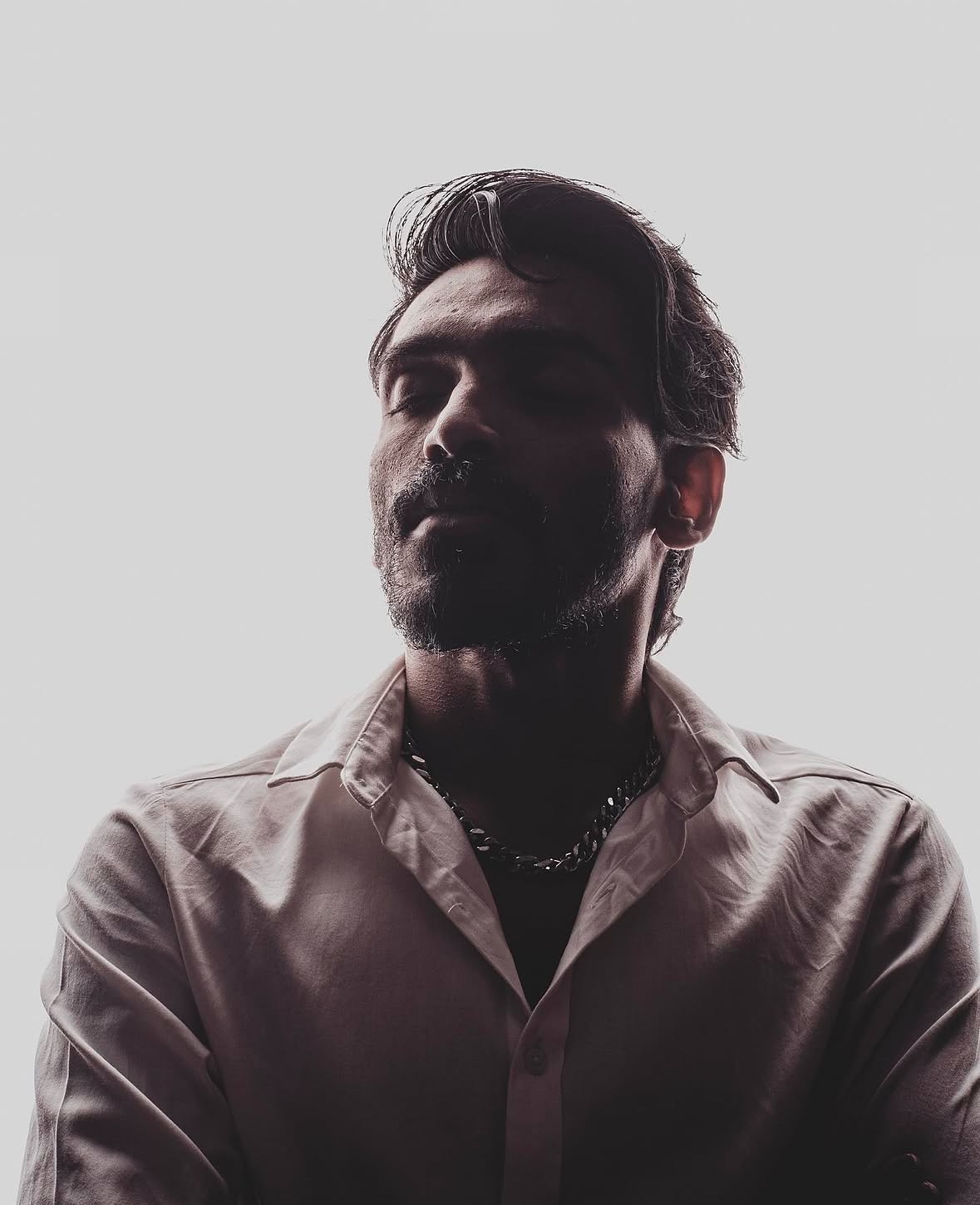
Photograph for ITFMA. All rights reserved.
In the growing world of independent Tamil music, few names have started to carry the kind of cultural weight and musical promise that Vidusan Kaneswaran has. Emerging from Toronto's Tamil creative scene, Vidusan represents a new generation of artists who are not waiting for permission from traditional industries to define what Tamil music can sound like. Instead, he is part of a movement that is building from the diaspora outward, blending Tamil identity, modern production, emotional storytelling, and global influences into a sound that speaks directly to young Tamils across the world.
Vidusan's rise is not just the story of an artist making songs. It is the story of a cultural shift. For decades, Tamil music has largely been defined by the film industry, particularly Kollywood. While cinema continues to play a major role in shaping Tamil popular music, artists like Vidusan are showing that there is another lane, one where independent Tamil musicians can build audiences, shape their own identity, collaborate across borders, and create music that feels both rooted and new.
Based in Toronto, Vidusan is part of a Tamil-Canadian creative ecosystem that has become increasingly important in the international Tamil music scene. Toronto has long been home to one of the largest Tamil communities outside South Asia, and that lived experience gives artists like Vidusan a unique perspective. His music carries the emotional language of Tamil culture, but it also reflects the soundscape of a city shaped by hip-hop, R&B, Afrobeat, dancehall, South Asian pop, and global youth culture. That combination gives his work a distinct identity: unmistakably Tamil, but not limited by geography.
For many fans, Vidusan first became widely recognized through his collaborations with Supaveen. Together, the duo built a strong reputation through records such as "Serithaana," "Mayilu," and "Ninaivilae," songs that helped introduce a fresh, polished, independent Tamil-pop sound to a wider audience. These records were not just catchy releases; they became cultural markers for a generation of Tamil listeners looking for music that reflected their own reality. The songs carried romance, rhythm, melody, and nostalgia, but they also felt modern enough to exist naturally on playlists beside global pop and South Asian independent music.
What makes Vidusan's artistry stand out is his ability to balance accessibility with authenticity. His music does not feel like an imitation of mainstream Tamil cinema, nor does it completely detach from Tamil musical tradition. Instead, Vidusan sits comfortably in the middle, pulling from familiar Tamil melodic instincts while embracing the structure, sound design, and pacing of contemporary global music. This allows his songs to connect with different kinds of listeners: those who grew up with Tamil film music, those who listen mostly to Western pop and R&B, and those who are discovering Tamil independent music through digital platforms.
One of the most important aspects of Vidusan's journey is his collaborative spirit. His work with Supaveen has become a key part of his identity, but his catalogue also reflects a larger creative network. Songs like "Chickana," featuring Supaveen, BSP, and legendary gaana voice Gana Bala, show a willingness to experiment with cultural fusion and intergenerational collaboration. The record brought together Tamil energy with broader global influences, highlighting the kind of creative risk-taking that independent Tamil music needs in order to grow.
Vidusan's collaborations with BSP also point toward another important element of his sound: chemistry. In independent music, especially within diaspora scenes, the strongest work often comes from artists who build together over time. Vidusan's music feels like it comes from a community rather than an isolated studio process. The production, writing, visuals, and branding around his releases suggest an artist who understands that today's music world is not only about the song. It is about the full ecosystem, the story, the visuals, the online presence, the cultural positioning, and the way audiences feel connected to the artist beyond one release.
His recent work, including "Kollaathey," shows an artist continuing to step further into his own lane. As Vidusan's catalogue grows, so does the clarity of his artistic identity. He is not simply a feature voice or a collaborator; he is becoming a name that stands on its own within the global Tamil independent scene. The growth of his streaming audience is a strong sign that listeners are responding not only to individual songs, but to the world he is building around his music.
“He carries the melody of Tamil music, the ambition of the diaspora, and the creative instinct of an artist ready to grow beyond borders.”
Vidusan's appeal also comes from the emotional quality of his music. Many of his songs carry themes of love, longing, memory, and connection, themes that are deeply familiar within Tamil music, but presented through a modern lens. This is where his diaspora identity becomes especially powerful. For Tamil youth growing up outside of Sri Lanka, India, Malaysia, Singapore, or other Tamil-speaking regions, music becomes a bridge back to culture. Vidusan's songs offer that bridge without feeling old-fashioned. They allow listeners to feel close to Tamil language and emotion while still experiencing music that feels current, stylish, and globally relevant.
In many ways, Vidusan is part of a larger wave of Tamil diaspora artists who are redefining what success looks like. The old model depended heavily on film placements, major labels, and industry gatekeepers. The new model is built through streaming platforms, YouTube, social media, live shows, community support, and independent creative teams. Vidusan's rise reflects that shift. He is proof that Tamil artists from outside the traditional industry can still build meaningful audiences, create memorable records, and contribute to the evolution of Tamil music.
His presence also matters because representation in music is not just about language, it is about perspective. Vidusan represents Tamil-Canadian creativity at a time when South Asian music is becoming more visible globally. But within the wider South Asian category, Tamil artists still have to fight for space. Too often, Tamil music is overlooked in broader conversations about Desi or South Asian culture. Artists like Vidusan challenge that by putting Tamil language, Tamil sound, and Tamil identity directly into the global independent music conversation.
What makes this moment exciting is that Vidusan's story still feels like it is in motion. He has already built recognition through strong releases and key collaborations, but the next phase of his career has the potential to be even bigger. With the right strategy, visuals, live performances, and continued catalogue development, Vidusan has the foundation to become one of the defining Tamil diaspora artists of this era.
The opportunity in front of him is significant. Tamil music is no longer confined to one region or one industry. The audience is global. The listeners are in Toronto, London, Paris, Zurich, Sydney, Kuala Lumpur, Chennai, Jaffna, New York, and beyond. They are looking for artists who understand both the roots of Tamil culture and the realities of modern identity. Vidusan sits directly at that intersection.
His music is not just entertainment. It is part of a larger cultural movement, one where Tamil creatives outside the mainstream are building their own platforms, their own sounds, and their own legacy. In that movement, Vidusan Kaneswaran stands as one of the voices to watch. He carries the melody of Tamil music, the ambition of the diaspora, and the creative instinct of an artist ready to grow beyond borders.
As independent Tamil music continues to expand, Vidusan's role within it becomes increasingly important. He is not only contributing songs to the scene; he is helping shape the sound of what Tamil music can become when it is created freely, globally, and authentically. For fans of Tamil music, diaspora culture, and the next wave of South Asian artistry, Vidusan is an artist worth paying attention to, not just for what he has already done, but for what he is still capable of becoming.
Submissions and reader letters are welcome at itfmaconnect@gmail.com.
Related Reading
Ratty Adhiththan and a Tamil Hip-Hop Without a Single Centre
Shaped by Jaffna, Malaysia and France, Ratty Adhiththan helped widen the definition of Tamil music while staying rooted in language.

Smith Asher Steps Forward Under Anirudh’s Albuquerque Records
Singer, producer, guitarist and programmer Smith Asher steps into the spotlight with “Annakiliye,” released on Anirudh Ravichander’s Albuquerque Records.

Dhee, Lara Raj and a Borderless Tamil Future
Dhee carried Tamil music outward. Lara Raj of KATSEYE found her way in from the Western mainstream. On “Vari Vari,” their journeys meet.